


Terminal Loading and Distribution System
Complete bulk terminal storage solutions integrating ship unloading, silo storage, and truck/ship loading for cement, clinker, fly ash, and other bulk materials.
Introduction
Download
Case
Related Products
Send Inquiry
Introduction
Terminal Loading and Distribution System
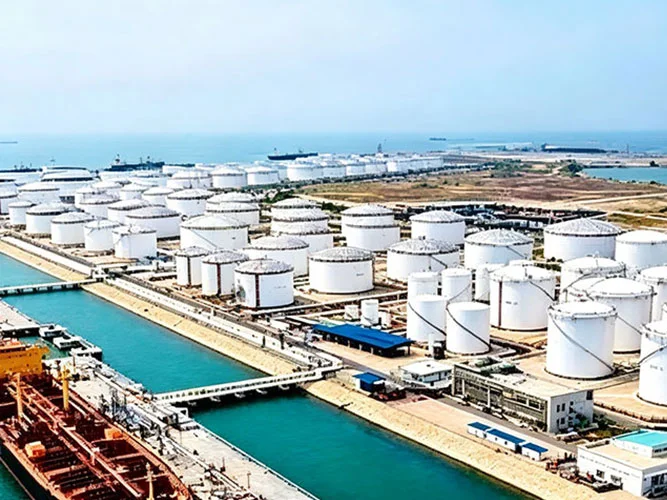
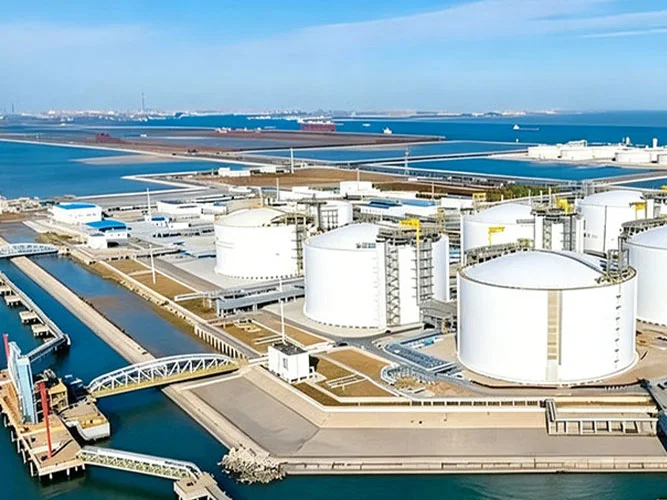
A bulk terminal storage facility is the critical link between maritime transport and land-based distribution. A well-designed terminal can unload a 30,000 DWT vessel in 48 hours, store the cargo in purpose-built silos, and reload it into trucks or smaller vessels within the week. A poorly designed one creates demurrage charges of $15,000-$30,000 per day.
Key Takeaways
Core Data Point: Bulk terminal storage throughput depends on three balanced capacities: ship unloading rate (typically 500-2,000 tph), silo storage volume (10,000-100,000 tonnes), and dispatch loading rate (200-1,000 tph). The smallest of these three determines your terminal capacity.
Best Practice: Design your terminal with 30% excess storage capacity beyond your expected vessel size. Port congestion and weather delays mean you may need to store multiple vessel cargoes simultaneously.
Risk Alert: Coastal bulk terminals face salt-air corrosion that accelerates steel deterioration by 3-5x compared to inland sites. Specify marine-grade coatings (C5-M per ISO 12944) for all exposed steelwork
Terminal System Components
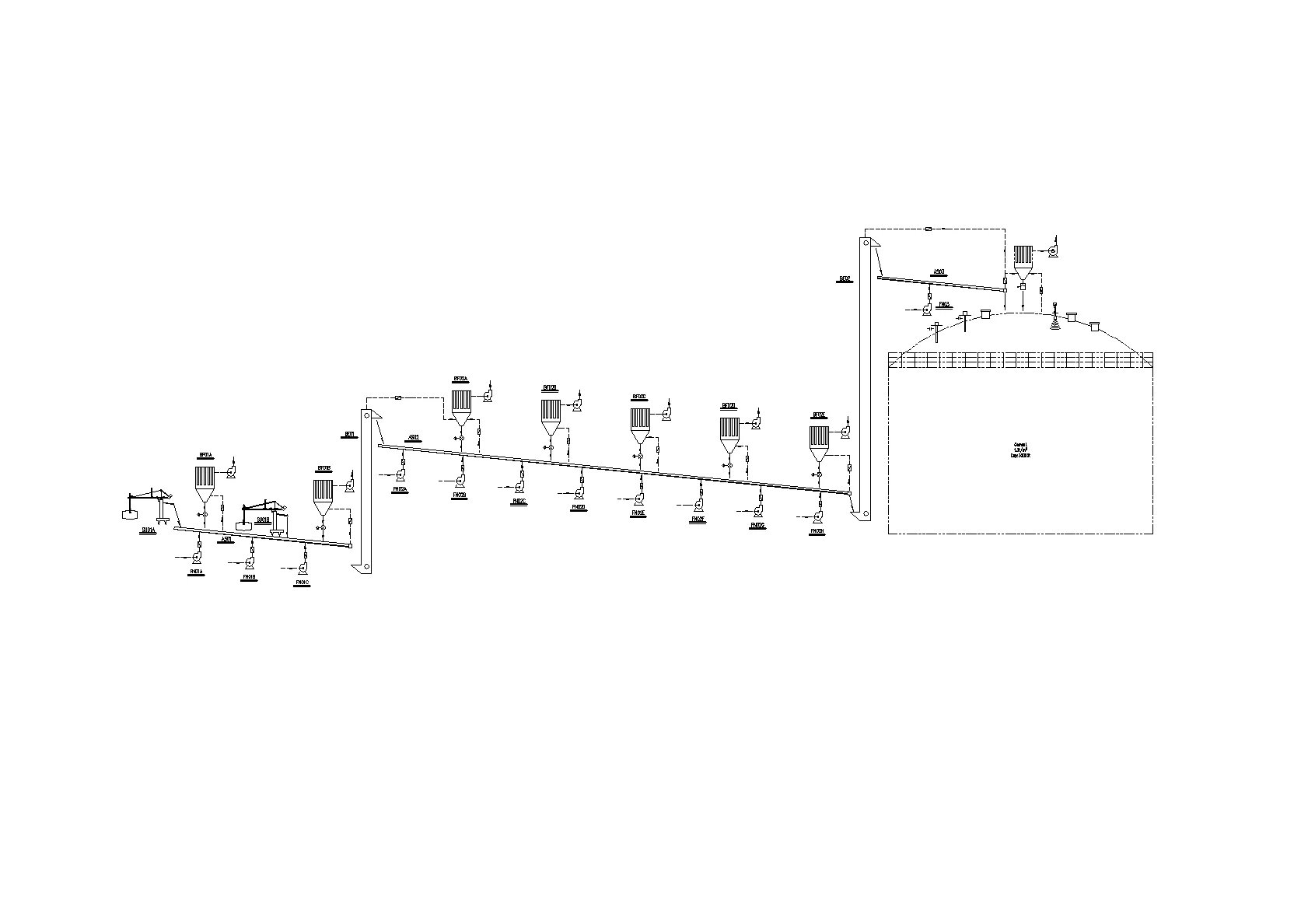
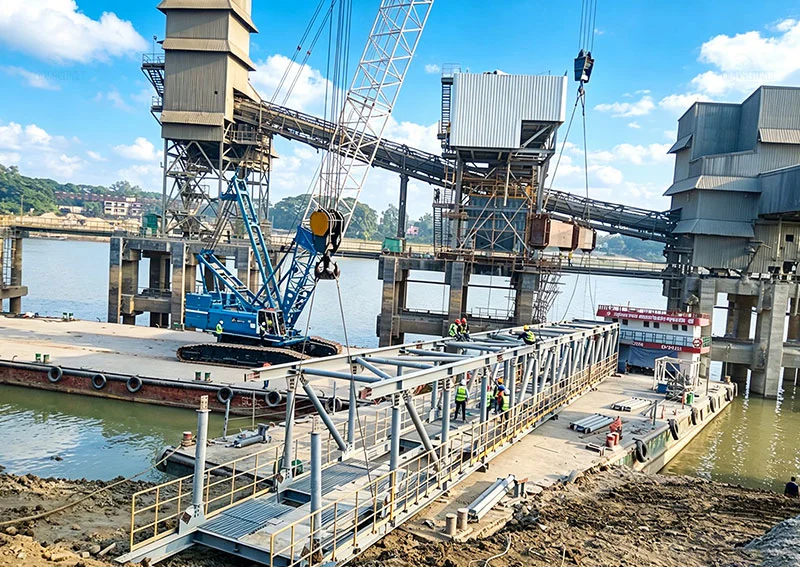
Ship Unloading System
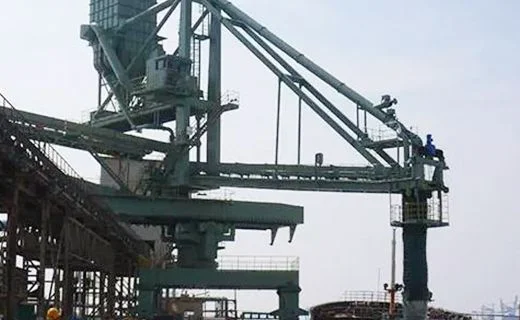
The receiving end of the terminal. Options include:
Grab ship unloader: Most common for cement and clinker. Capacity 300-1,500 tph. Requires dust-free hopper beneath the grab.
Pneumatic ship unloader: Enclosed system, minimal dust. Capacity 100-600 tph. Best for fine powders and environmentally sensitive locations.
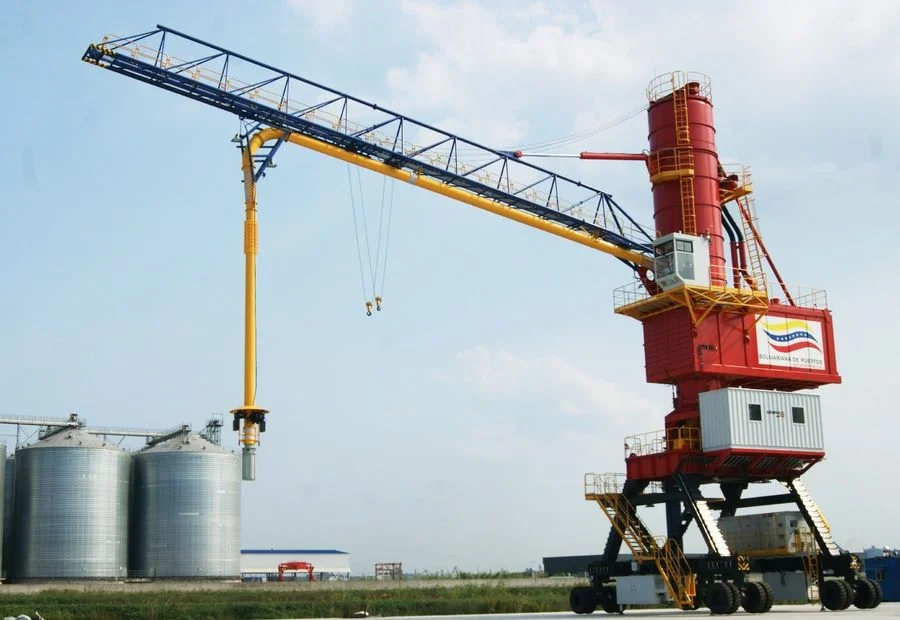
Screw ship unloader: Continuous operation, capacity 200-800 tph. Lower energy than pneumatic systems.
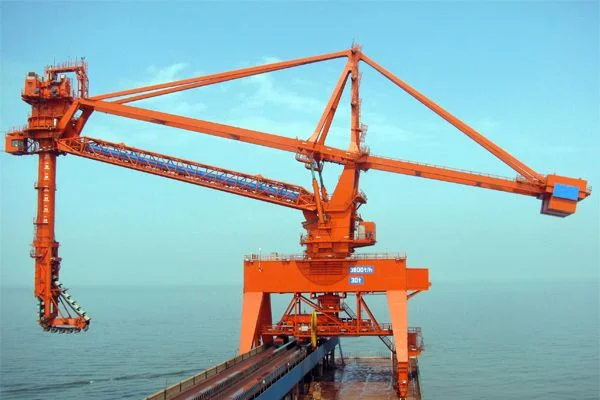
Silo Storage
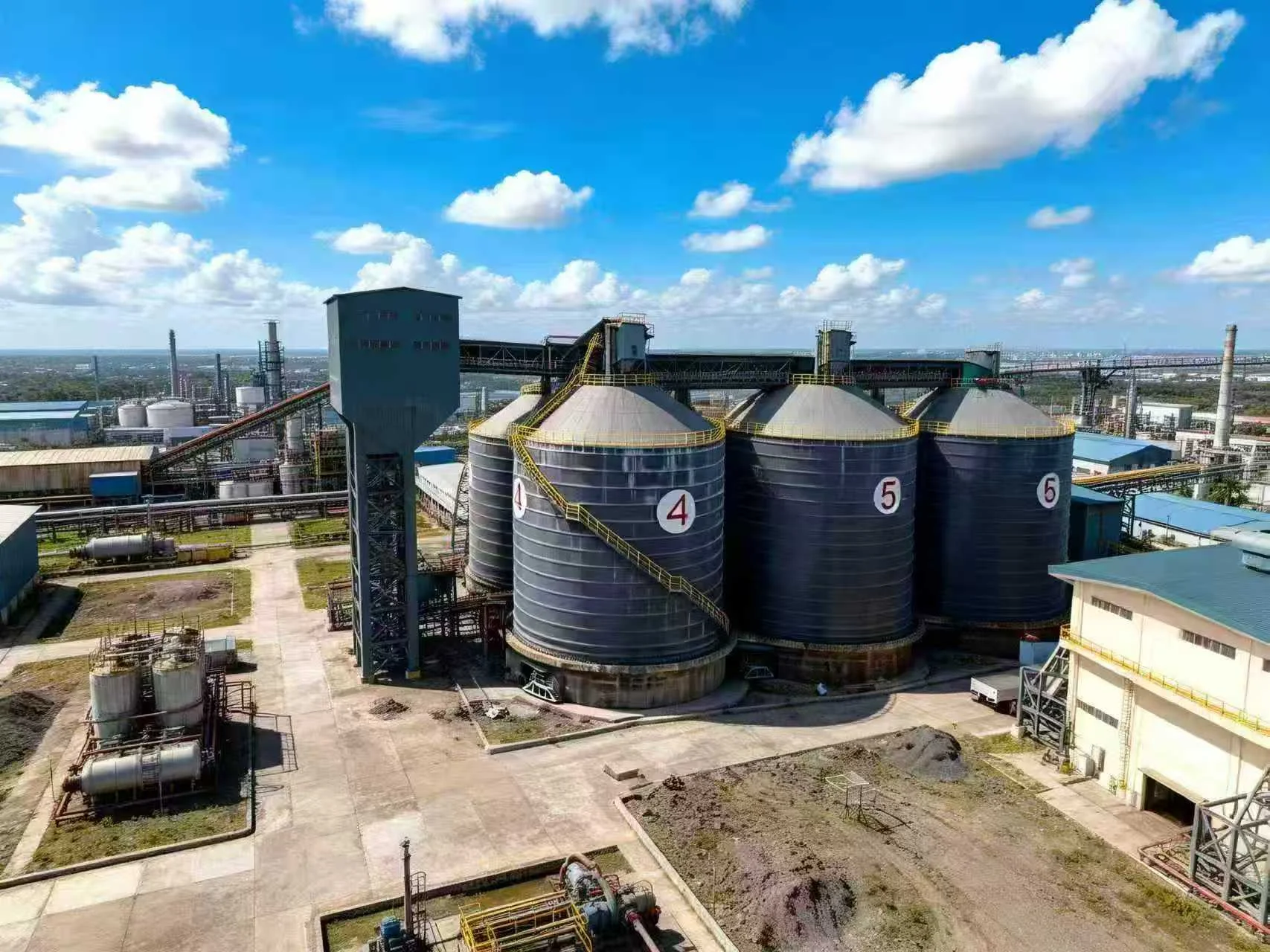
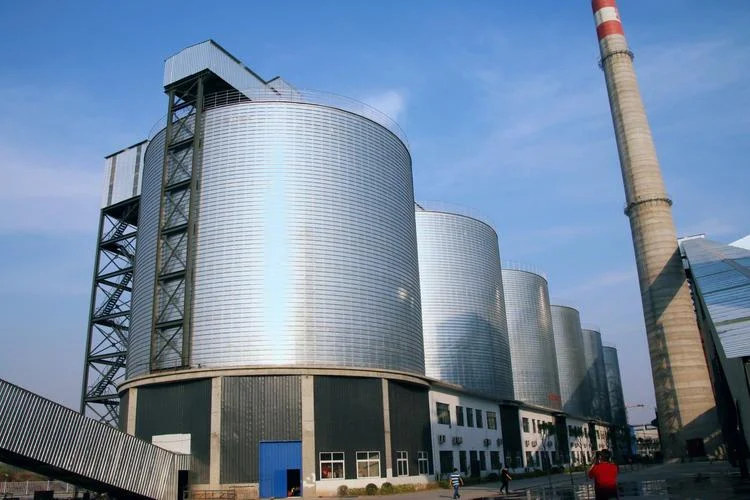
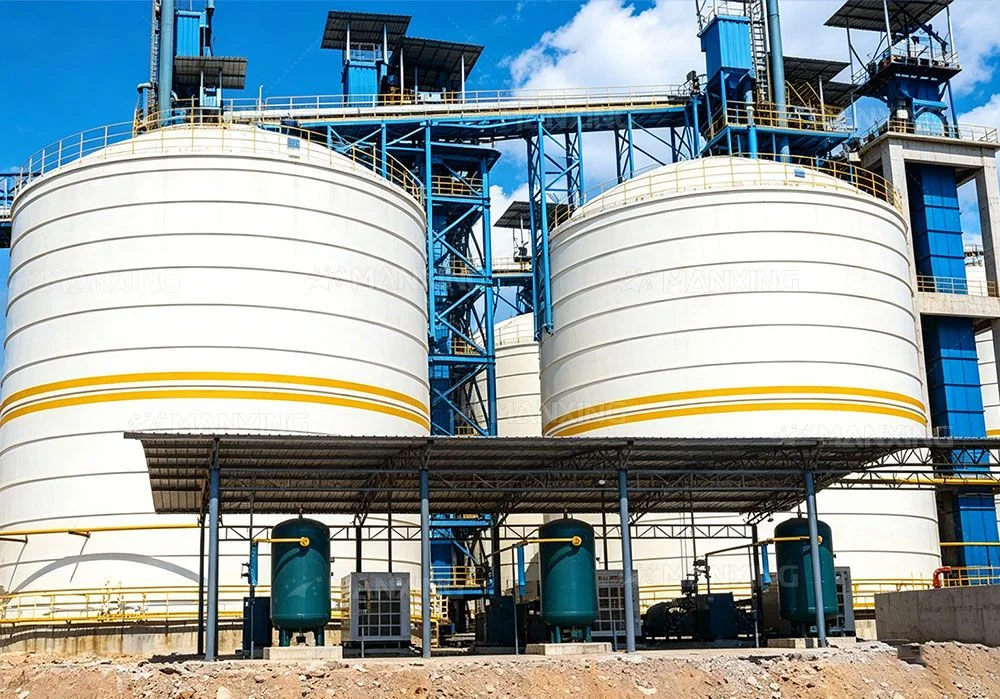
The core of bulk terminal storage. Terminal silos differ from plant silos in several ways:
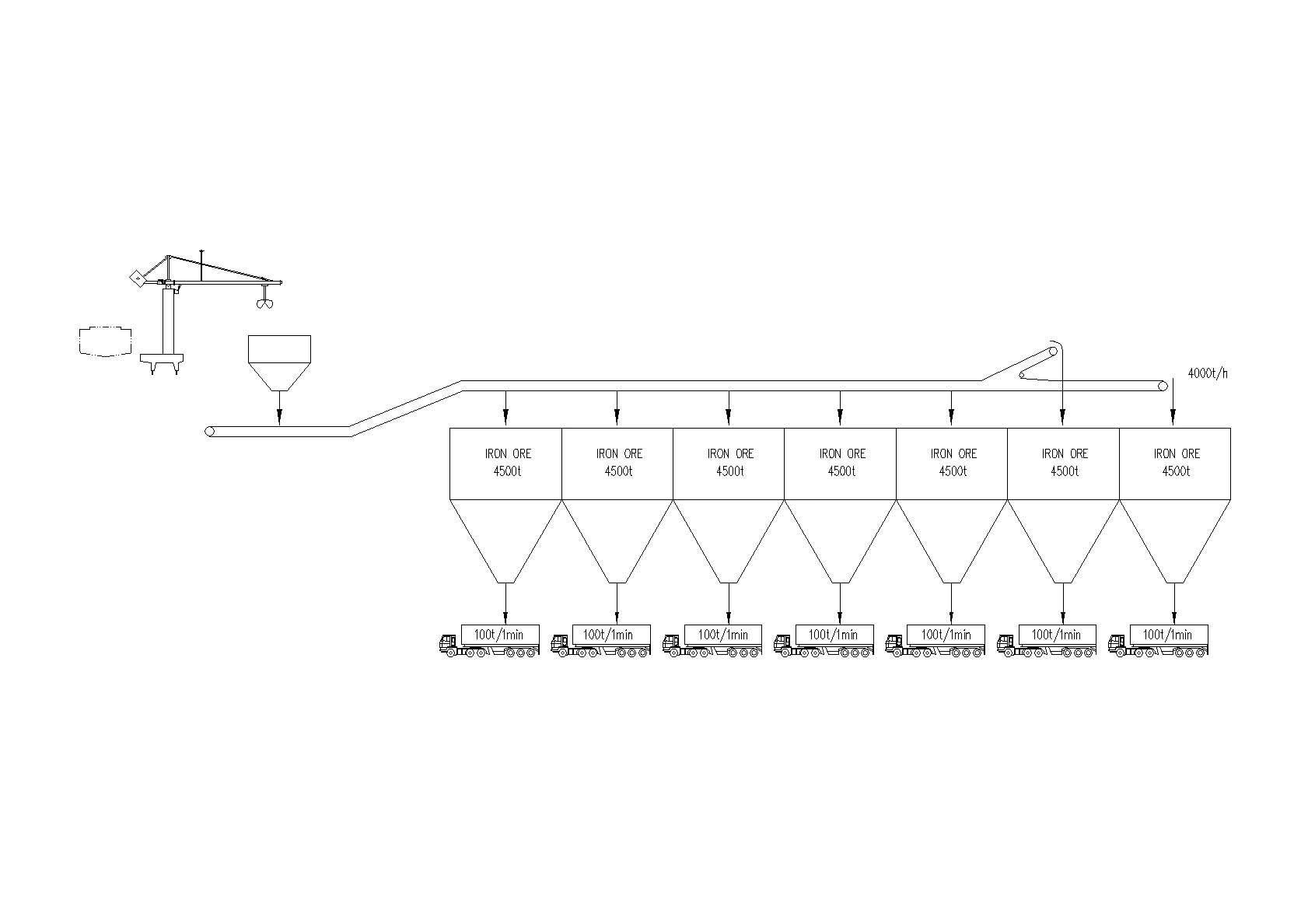
Larger capacity: 5,000-50,000 tonnes per silo to accommodate full vessel cargoes
Multiple products: Separate silos for cement, clinker, fly ash, slag, and gypsum
Inventory management: Radar level monitoring on every silo, integrated with terminal management software
Environmental containment: Full dust collection on all transfer points, enclosed conveyor galleries
Loading and Dispatch
The output side of the terminal:
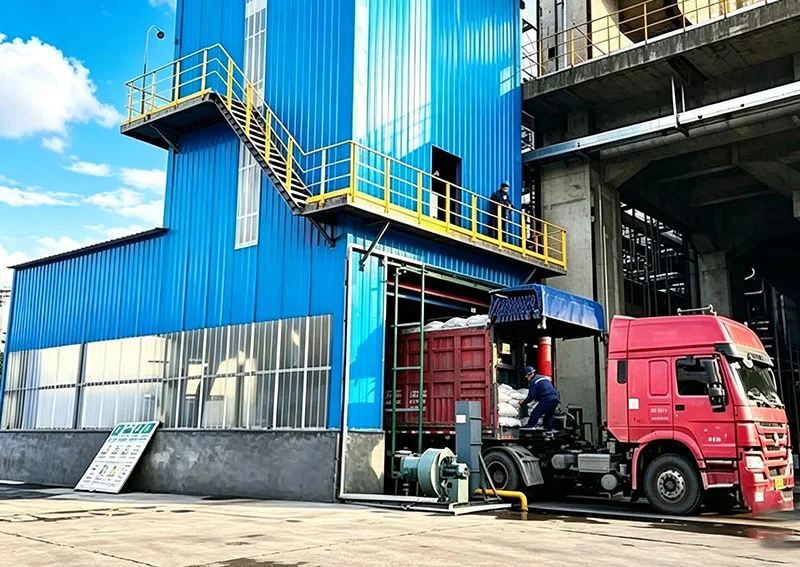
Truck loading station: Automated, 200-300 tph, with weighing and ticket printing
Ship loading: Mobile or fixed ship loaders, 150-600 tph
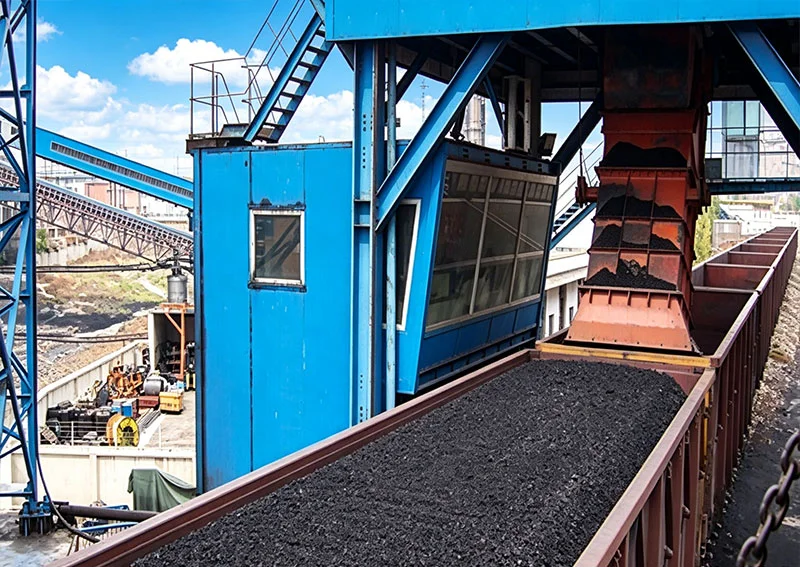
Rail loading: Rapid quantitative loading systems for unit trains
 |  |
Why Choose Manxing for Bulk Terminal Storage
Turnkey EPC: From feasibility study to commissioning, we handle the complete terminal project - civil, structural, mechanical, electrical, and control systems.
40+ countries experience: Our terminal projects span Southeast Asia, Middle East, Africa, and South America, with deep understanding of local conditions and regulations.
Optimized layouts: We use simulation modeling to optimize vessel turnaround time, minimize conveyor lengths, and reduce civil works costs by 15-25%.
Environmental compliance: All designs meet or exceed local environmental regulations for dust, noise, and stormwater management.
Bulk terminal storage is a capital-intensive business where a 10% improvement in throughput translates directly to bottom-line profit. The key is balancing ship unloading capacity, storage volume, and dispatch rate - and ensuring that the control system ties everything together into a seamless operation. Manxing delivers terminal solutions that maximize vessel productivity while minimizing operating costs and environmental impact.
PDF
Product File
Manxing Industrial Silo Brochure
Manxing_Industrial_Silo_Brochure.pdf
Open the download form to unlock this file. The source page is recorded automatically in your customer submissions.
Case
Industrial Steel Silo EPC Solutions | Manxing's Proven Engineering Excellence
Manxing has successfully delivered comprehensive steel silo systems for cement, clinker, fly ash, and coal storage applications. Our extensive project portfolio demonstrates advanced engineering capabilities, innovative design, and consistent superior performance across diverse industrial sectors.
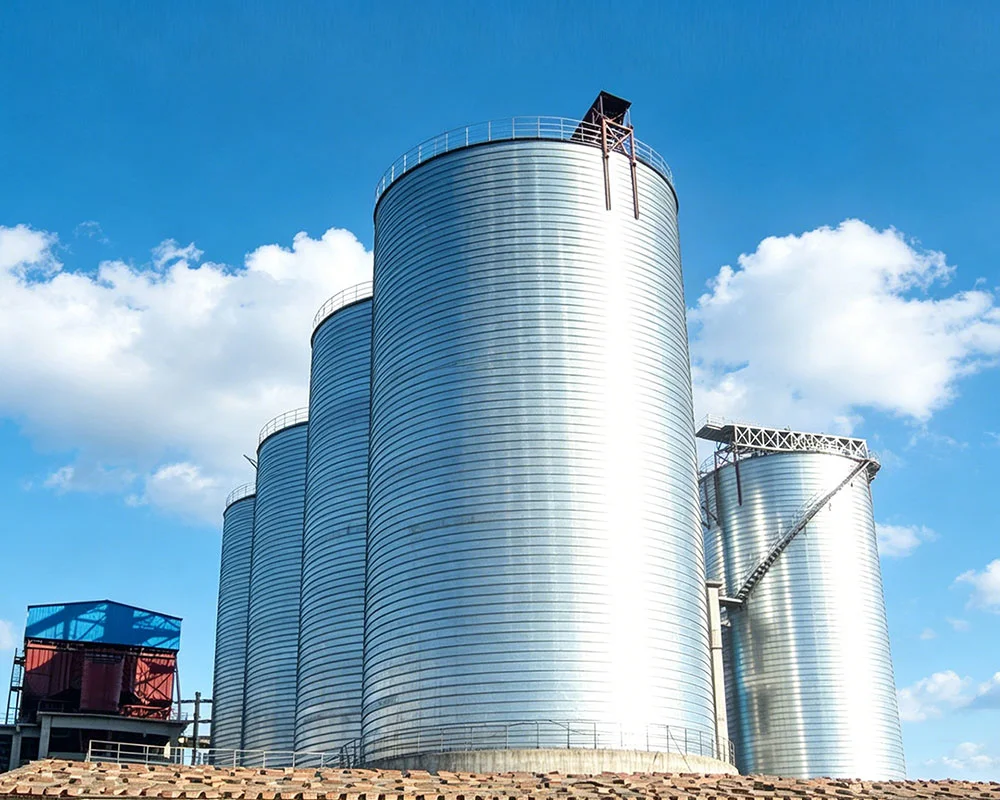
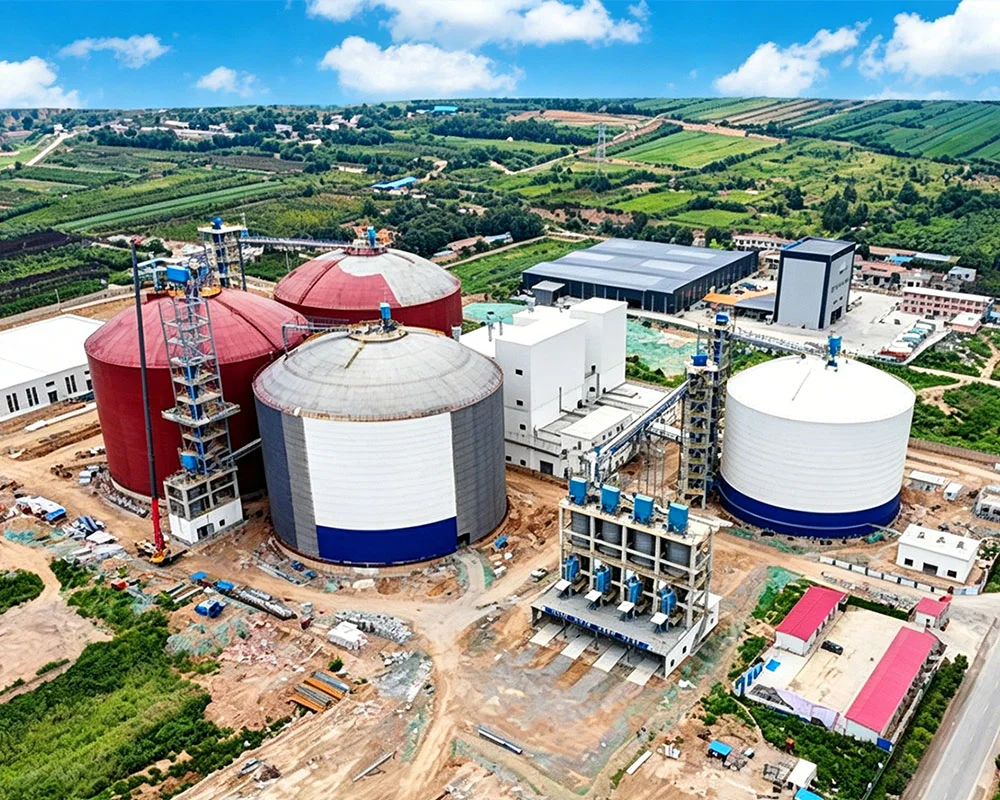
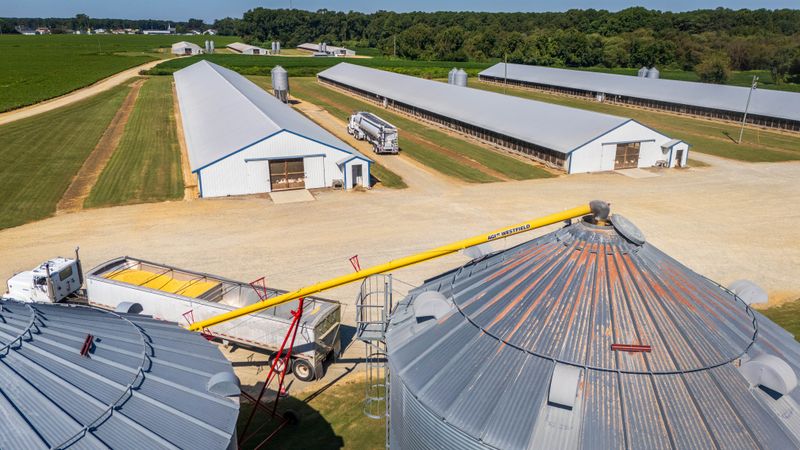
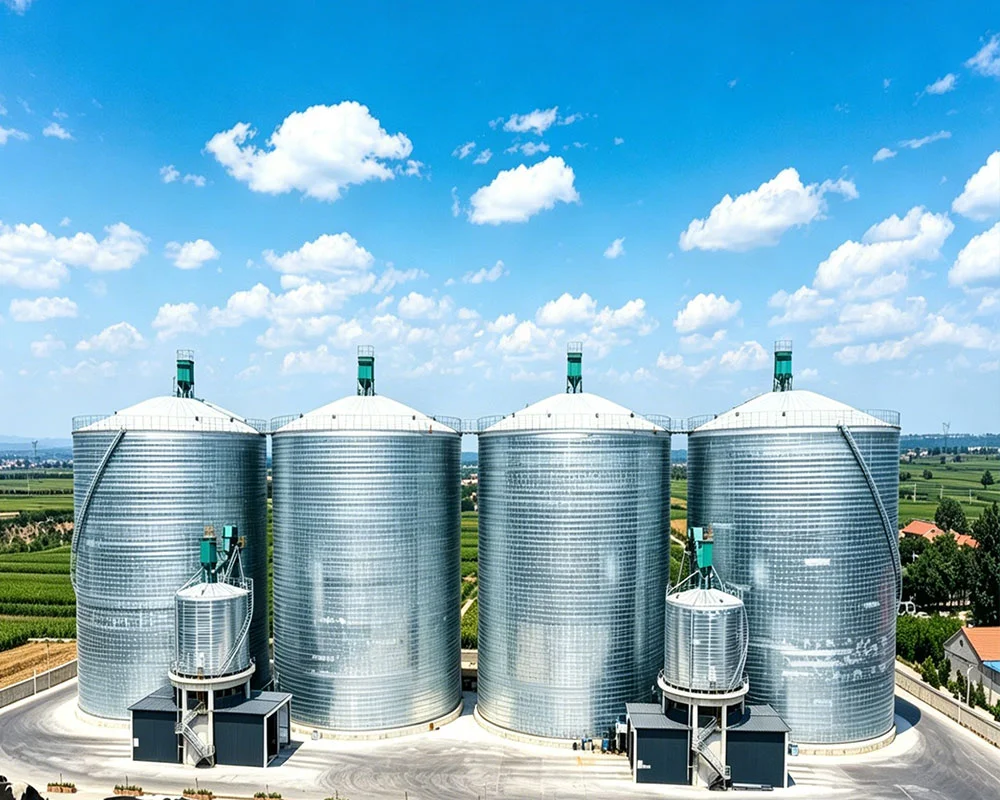
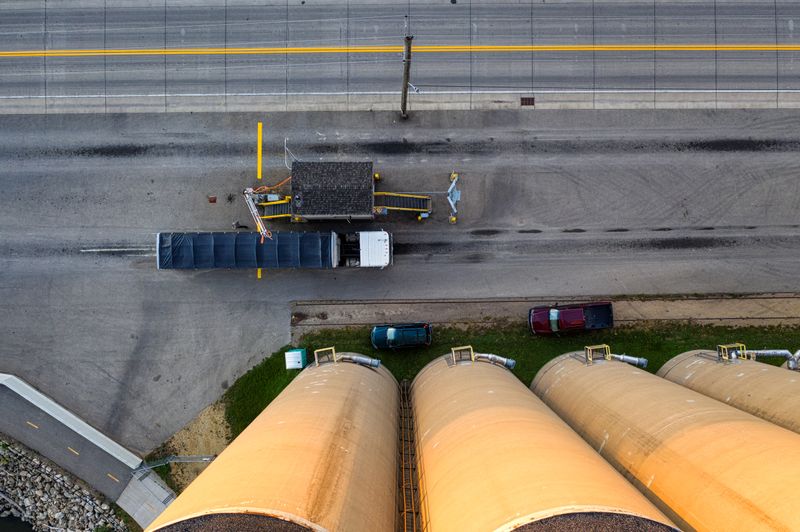
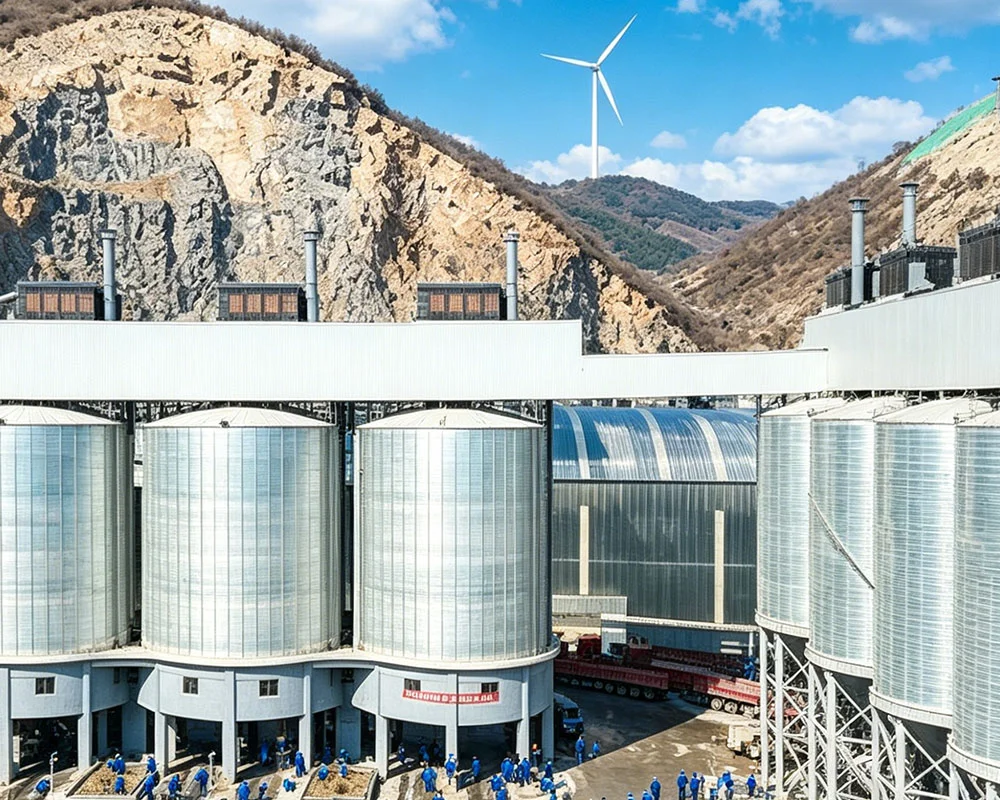
Silo System
Manxing is a leading EPC contractor specializing in bulk material storage and conveying systems, providing customized steel silo solutions for cement, fly ash, coal, clinker, slag, and other industrial materials worldwide.
Inquiry