
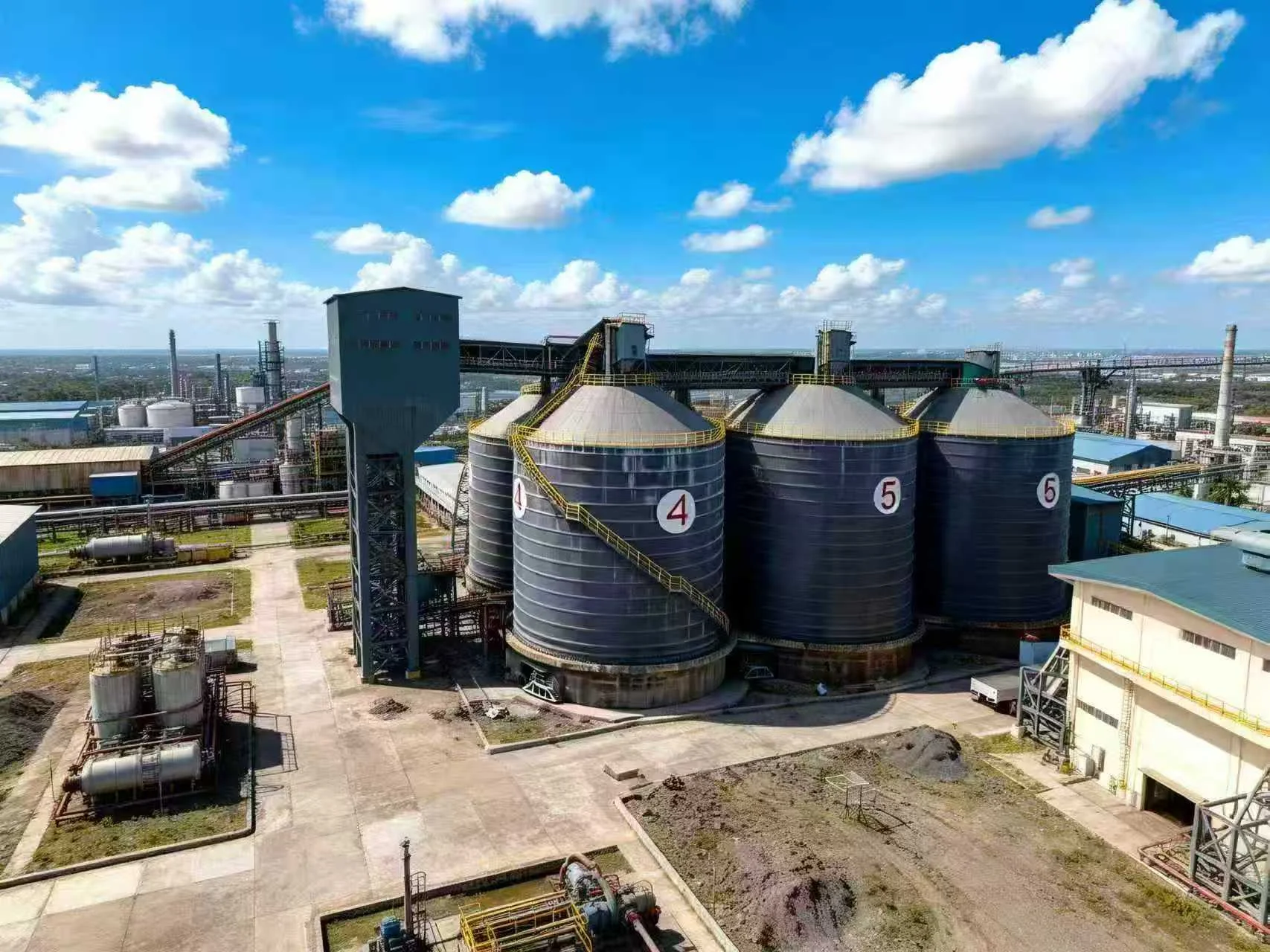
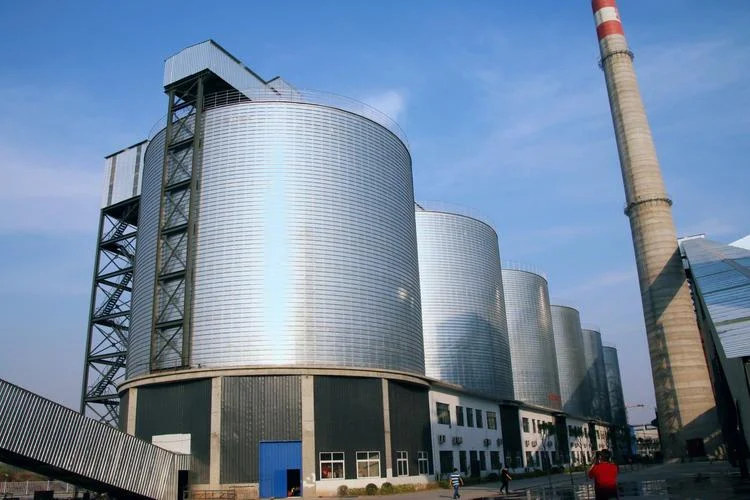


Planning a cement storage project? The cost of a cement silo can range from $10,000 for a small bolted unit to over $500,000 for a large welded steel or concrete structure. This guide, based on 15 years of industrial storage experience, breaks down the five core pricing factors and provides a step-by-step budgeting strategy to help you make precise financial decisions from day one.
Understanding Cement Silo Cost Ranges: From Small to Large Systems
Cement silo costs are primarily driven by capacity, material type, and installation complexity. According to industry data, a 50-ton bolted steel silo starts at approximately $10,000, while a 5,000-ton large welded steel or concrete silo can exceed $500,000 total. For the most commonly specified 500-ton welded steel silo, a typical budget including installation falls between $80,000 and $150,000. On a per-ton basis, steel silos average $150 to $300 per ton of storage capacity. Concrete silos, valued for their longer service life and superior thermal insulation, typically cost $200 to $400 per ton.
It is critical to note that these ranges do not include specialized foundation work or custom accessories; actual expenditures often need to be increased by 15% to 25% to account for these variables. Understanding these base figures allows project managers to set realistic financial expectations before engaging with suppliers.
Five Core Cost Drivers: How to Control Your Cement Silo Budget
In any cement silo project, five key variables directly determine the final bill. Understanding these drivers is the first step to avoiding budget overruns. By evaluating each factor early in the planning phase, you can make trade-offs that optimize both performance and cost.
1. Capacity and Economies of Scale
Capacity is the most direct cost factor. A 100-ton silo costs roughly $20,000 to $40,000, while a 2,000-ton silo jumps to $200,000 to $350,000. However, costs do not increase linearly—when capacity doubles, total cost typically increases by only 40% to 60%, thanks to economies of scale. Therefore, when land and site conditions permit, selecting a slightly larger silo often yields a better per-ton storage cost.
2. Material Selection: Steel vs. Concrete
Material choice is key to long-term value. Steel silos offer faster fabrication, lower upfront cost, and easier relocation. Concrete silos provide superior durability, fire resistance, and thermal insulation—ideal for extreme climates or decades-long service life. Your decision should factor in local material availability, labor rates, and expected operational lifespan. For many projects, a welded steel silo represents the best balance of cost and performance.
3. Installation Complexity and Site Conditions
Site preparation and installation can add 15% to 25% to your base silo cost. Factors include soil bearing capacity, accessibility for cranes, local permitting requirements, and the need for specialized foundations. A remote or congested site with poor soil conditions can significantly increase civil works expenses. Always budget for a geotechnical survey before finalizing your silo design.
4. Custom Accessories and Automation
Standard silos come with basic inlet/outlet connections, but most operations require additional components: level indicators, dust filters, aeration pads, discharge valves, and control systems. Automation features like load cells, PLC-based inventory management, and remote monitoring can add $5,000 to $50,000 depending on complexity. These investments, however, often pay for themselves through reduced labor and material waste.
5. Manufacturer Reputation and After-Sales Support
Choosing a manufacturer with proven engineering expertise and a track record of reliable after-sales support can prevent costly downtime. While a lower-priced silo from an inexperienced supplier may save money upfront, it risks structural issues, poor weld quality, and lack of warranty coverage. A reputable manufacturer like Manxing provides certified designs, on-site installation supervision, and long-term spare parts availability.
Key Takeaways
- Key Data: A 500-ton welded steel silo typically costs $80,000–$150,000 installed, while per-ton costs range from $150 to $300 for steel and $200 to $400 for concrete.
- Best Practice: When site conditions allow, choose a silo capacity 20–30% larger than your immediate needs to benefit from economies of scale and lower per-ton storage cost.
- Watch Out For: Foundation and site preparation costs are often underestimated; budget an additional 15%–25% beyond the silo price for these variables.
- Pro Tip: Invest in a geotechnical survey and site assessment before finalizing your silo design to avoid costly mid-project changes.
- Bottom Line: A well-planned cement silo project balances capacity, material choice, and installation complexity—not just the lowest upfront price.
Steel vs. Concrete: Which Material Offers Better Long-Term Value?
The choice between steel and concrete is one of the most consequential decisions in any cement storage project. Steel silos are prefabricated in controlled factory conditions, ensuring consistent quality and faster on-site assembly—often in weeks rather than months. They are also easier to relocate or expand if your storage needs change. Concrete silos, while more expensive and slower to construct, offer exceptional durability, with service lives exceeding 50 years when properly maintained. They also provide natural thermal insulation, which helps maintain cement quality in hot climates. For most mid-sized operations, a welded steel silo delivers the best return on investment due to lower initial cost, shorter construction timeline, and proven reliability.
Frequently Asked Questions
Q: What is the typical cost range for a 500-ton cement silo installed on-site?
A: For a 500-ton welded steel cement silo, the total installed cost typically falls between $80,000 and $150,000. This range includes the silo structure, basic accessories, and standard installation labor. It does not cover specialized foundation work, custom automation, or long-distance transportation. Always request a detailed quotation that breaks down equipment, freight, civil works, and installation to avoid unexpected expenses.
Q: Why do concrete silos cost more per ton of storage than steel silos?
A: Concrete silos typically cost $200 to $400 per ton, compared to $150 to $300 per ton for steel. The higher cost is due to several factors: concrete requires on-site formwork and curing time, which extends construction duration; the material itself is heavier, requiring more robust foundations; and labor costs for concrete construction are generally higher than for bolted or welded steel assembly. However, concrete silos offer longer service life (50+ years) and better thermal insulation, which can justify the premium for permanent installations.
Q: How much should I budget for foundation and site preparation when installing a cement silo?
A: As a rule of thumb, add 15% to 25% to your silo equipment cost to cover foundation work, site preparation, and civil engineering. For a $100,000 silo, that means budgeting an additional $15,000 to $25,000. Actual costs depend on soil conditions, local labor rates, and the need for specialized foundations such as pile caps or reinforced concrete rings. A geotechnical survey is strongly recommended before finalizing your budget.
Q: What hidden costs should I watch out for when budgeting for a cement silo project?
A: Beyond the silo and foundation, common hidden costs include: long-distance freight and customs clearance for international shipments; local permits and inspection fees; electrical and control system integration; dust collection and ventilation equipment; and safety features like guardrails, ladders, and emergency access platforms. Also factor in spare parts inventory and a contingency fund of 5–10% for unforeseen site conditions. A comprehensive scope of work from your supplier helps minimize surprises.
Q: Can I save money by choosing a bolted steel silo instead of a welded steel silo?
A: Yes, bolted steel silos are generally 10–20% cheaper than welded steel silos of equivalent capacity, and they offer faster on-site assembly. However, bolted silos may have slightly lower structural integrity under extreme wind or seismic loads, and their seams can be more prone to dust leakage over time. For temporary or low-stress applications, bolted silos are a cost-effective choice. For permanent, high-capacity cement storage, welded steel is often preferred for its superior airtightness and structural reliability.
Q: How does automation affect the total cost of a cement silo system?
A: Adding automation features such as load cells for weight monitoring, PLC-based inventory management, automated discharge valves, and remote control systems can increase total project cost by $5,000 to $50,000, depending on complexity. While this represents a significant upfront investment, automation typically reduces labor costs, minimizes material waste from overfilling or bridging, and provides real-time inventory data that improves supply chain efficiency. For operations handling high volumes, automation often pays for itself within 12 to 24 months.
Need expert cement silo solutions for your project?
We provide professional design, manufacturing, and installation services for bulk storage and material handling systems worldwide. With over 15 years of engineering experience, Manxing helps you optimize your budget without compromising quality or safety.
Get a Free Technical Consultation →