


I get this question at least once a month: "Should we use a belt conveyor or a pneumatic system?" Every time, the answer starts the same way: "It depends on what you are moving, how far, and what matters most to you." Belt conveyors and pneumatic systems are not competing technologies in most cases; they are complementary tools that excel in different scenarios.
The Three Questions That Settle It
Particle size and abrasiveness: If hardness exceeds 5 on Mohs scale, pneumatic will destroy pipes rapidly unless you specify dense phase with hardened pipes. Belt conveyors handle abrasive materials well.
Distance: Beyond 200m, belt conveyors cost 30-50% less than pneumatic for the same throughput. Below 50m, pneumatic is often cheaper due to less civil works.
Dust containment: Pneumatic systems are completely enclosed with zero dust emission. Belt conveyors generate dust at every transfer point.
The Decision Matrix
| Factor | Belt Wins When | Pneumatic Wins When |
|---|---|---|
| Distance | Above 200m | Below 100m |
| Throughput | Above 200 tph | Below 100 tph |
| Dust containment | Moderate | Excellent |
| Energy cost | 0.01-0.03 kWh/t/100m | 0.8-4.0 kWh/t/100m |
| Routing flexibility | Straight or gentle curves | Tight bends, vertical rises |
Real Project Examples
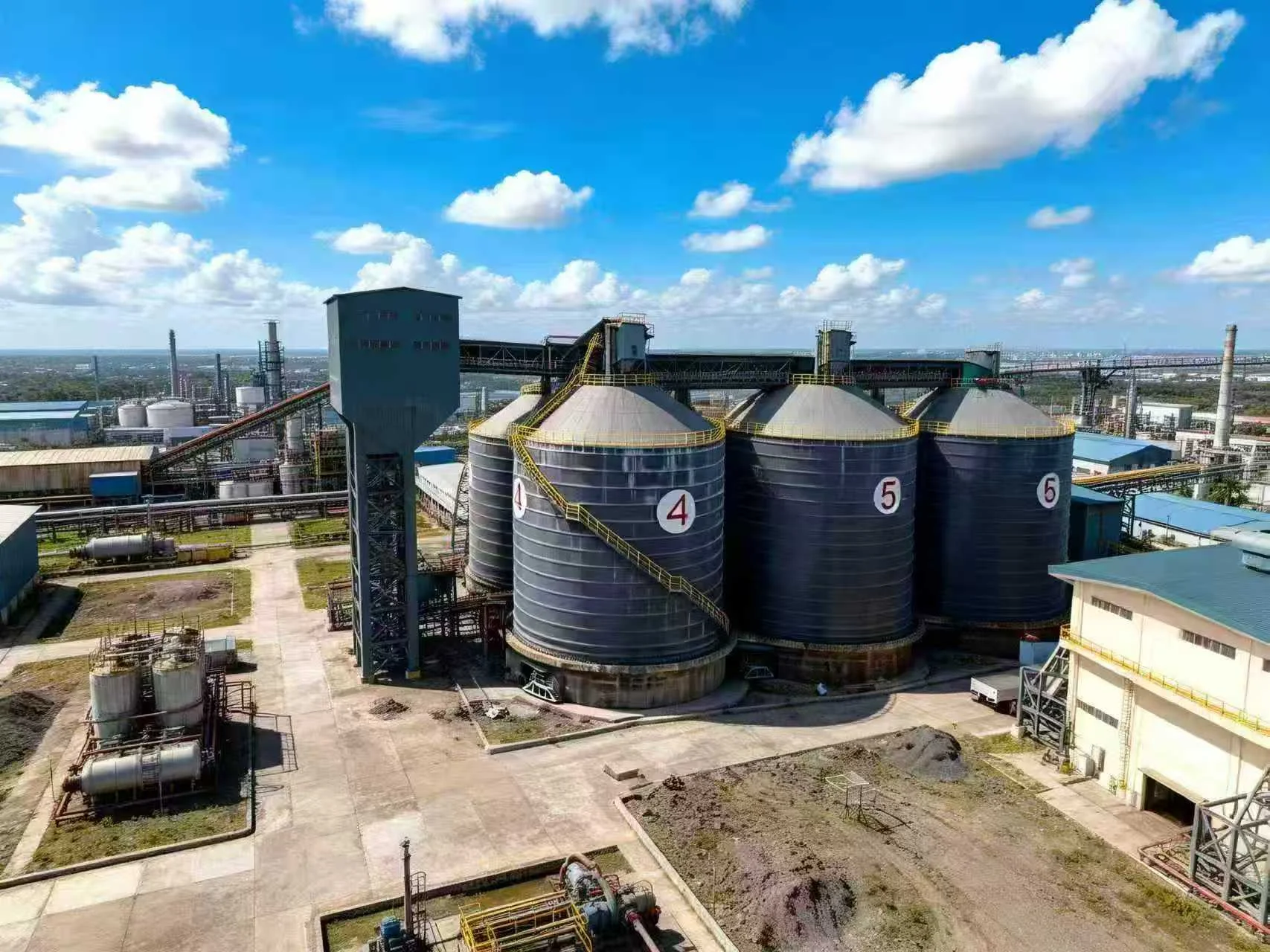
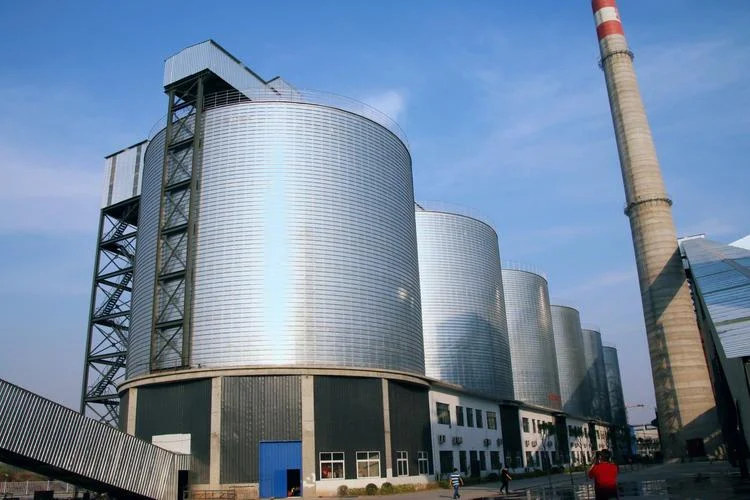
Cement terminal, Indonesia: Dense-phase pneumatic for 150m from ship unloader to silo. The route crossed a public road and dust containment was mandatory. The pneumatic cost 40% more than a covered belt, but eliminated a $300,000 conveyor bridge. Net result: pneumatic was cheaper overall.
Coal handling, Vietnam: 2.5km overland belt conveyor from port to power plant. Pneumatic over that distance would need boosters every 400m with energy costs exceeding $5/tonne. The belt conveyor cost $0.15/tonne to operate.
Fly ash collection, Philippines: Dilute-phase pneumatic from five ESP hoppers to one silo, 60m total. Intermittent flow with five separate pickup points. A belt system would require five feed points onto a common belt with complex chute design. Pneumatic was simpler, cheaper, and completely dust-free.
The right answer is rarely all belt or all pneumatic. Most modern facilities use a combination, with each technology where it makes the most sense.