
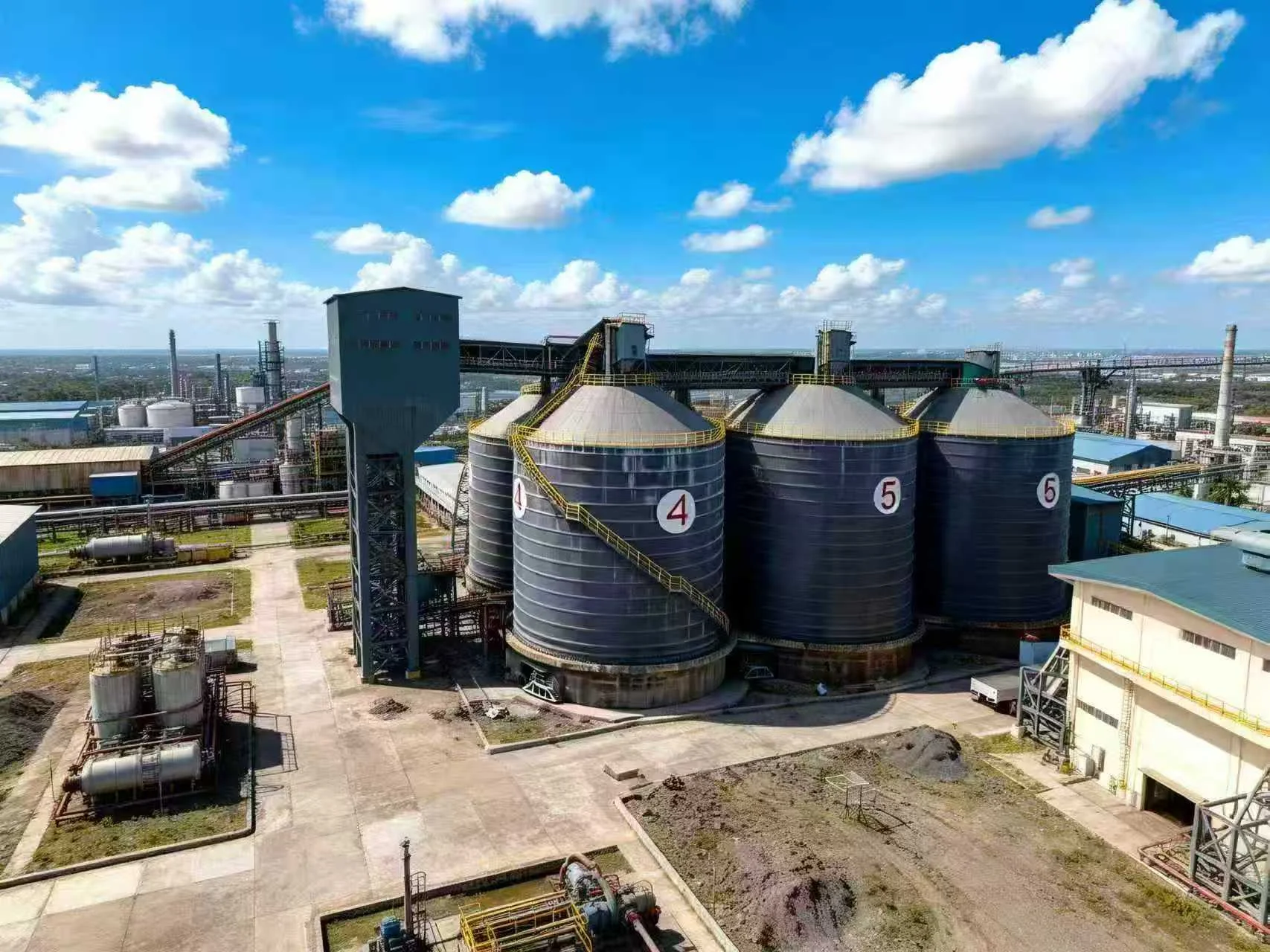
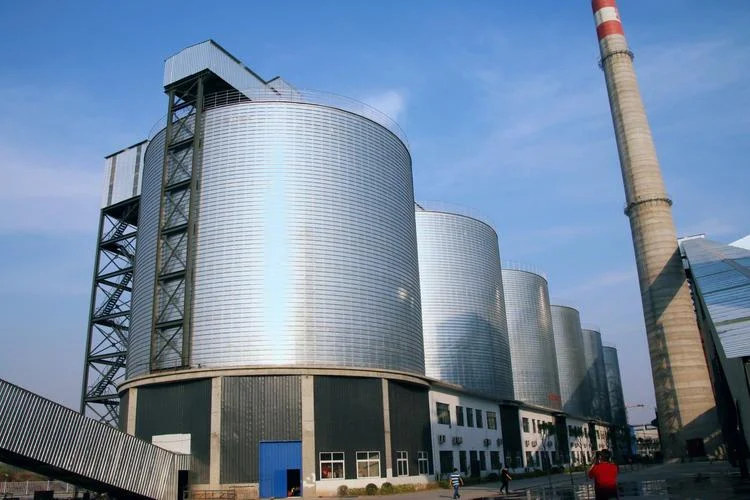


Every bulk port terminal proposal I have ever reviewed looks perfect. The conveyor routes are straight, the silo capacities are generous, the ship unloader specifications meet throughput targets with comfortable margin. The PowerPoint slides show neat flow diagrams with arrows from ship to silo to truck, as if bulk materials move themselves without the real-world friction that makes port operations so challenging.
I have designed and supervised the construction of five bulk handling terminals in the last eight years. Two in Indonesia, one in Vietnam, one in Bangladesh, and one in the Philippines. Each project taught me something that was not in the proposal.
Lesson 1: The Ship Unloader Is Never the Bottleneck
Proposals focus on the ship unloader because it is the most expensive equipment. A grab-type unloader rated at 800 tph sounds impressive. But in practice, it operates at 60-70% rated capacity because of factors unrelated to the machine:
Ship trim and stability: The grab cannot reach corners if the vessel is not properly trimmed. Ballast adjustment takes time.
Material bridging in the hold: Wet clinker creates arches that the grab cannot break, requiring manual intervention.
Dust suppression pauses: Water spraying must be activated between hold changes, adding 2-3 minutes per transition.
The real bottleneck is downstream. At our Vietnam terminal, the 800 tph unloader was consistently starved because the belt conveyor had only 600 tph capacity. The difference cost the client three extra days of vessel time at $15,000/day in demurrage.
Lesson 2: Demurrage Is Your Real Cost Driver
Demurrage is the penalty a shipping line imposes when a vessel stays at berth longer than agreed. For a typical 10,000-30,000 DWT bulk carrier, rates are $8,000-$20,000 per day. A terminal that saves $200,000 on equipment by reducing conveyor capacity will lose that savings in 10-25 days of additional vessel time. Size every component for peak vessel discharge rate, not average.
Lesson 3: The Approach Road Is Part of the Terminal
I have seen terminals where the loading station processes a truck in 8 minutes, but the approach road backs up 40 trucks. At our Bangladesh terminal, we designed a dedicated approach road with separate entry/exit lanes, a weighbridge, and a staging area 500 meters from the terminal. Truck turnaround dropped from 35 minutes to 12 minutes.
Lesson 4: Salt Air Eats Steel
Coastal terminals face corrosion rates of 0.15mm/year on unprotected steel, compared to 0.03mm/year inland. The specification must call for marine-grade coatings (ISO 12944 C5-M), hot-dip galvanizing, and stainless steel fasteners. The coating costs 15-20% more than standard, but extends the maintenance-free period from 5-7 years to 15-20 years.