
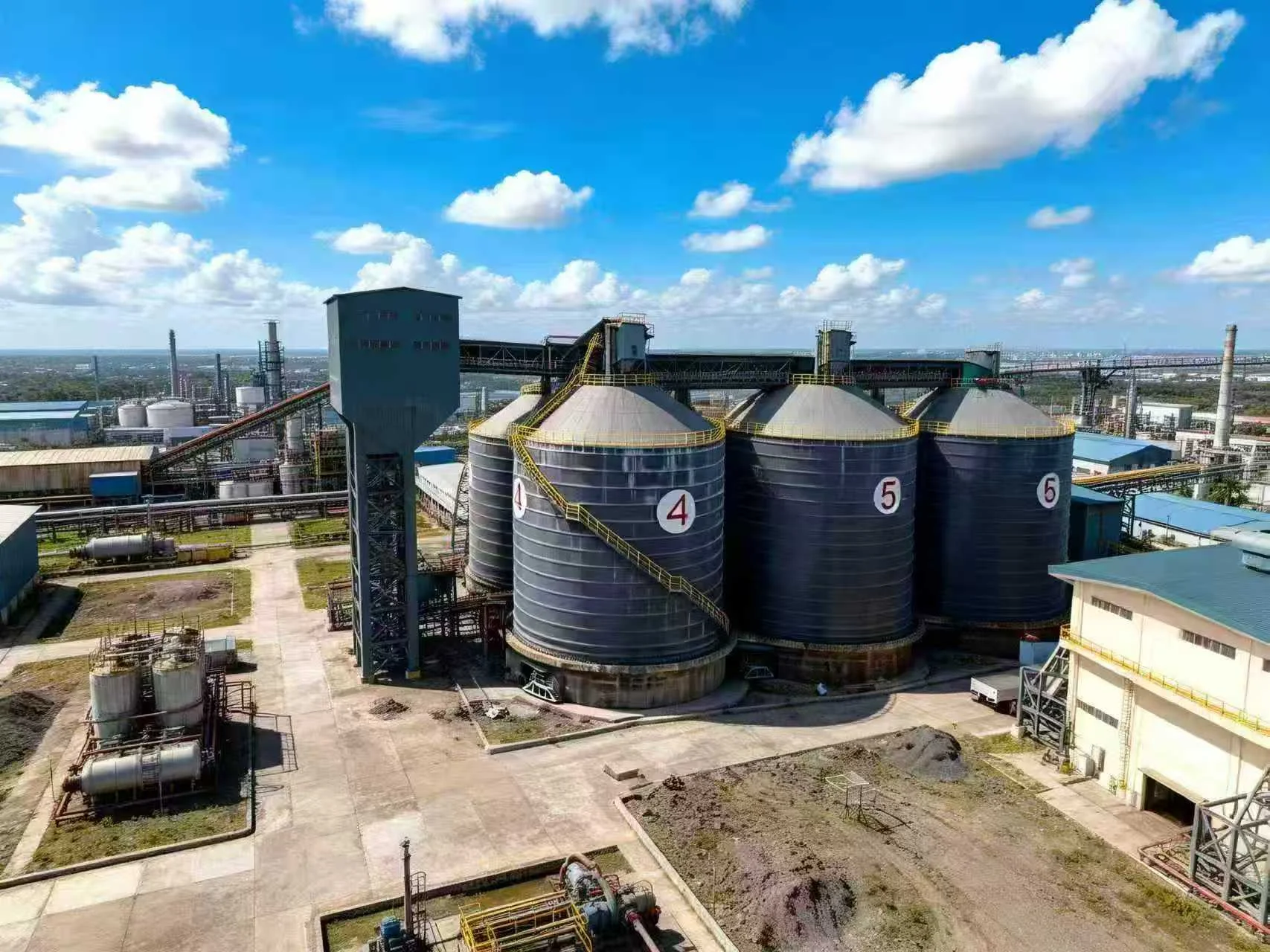
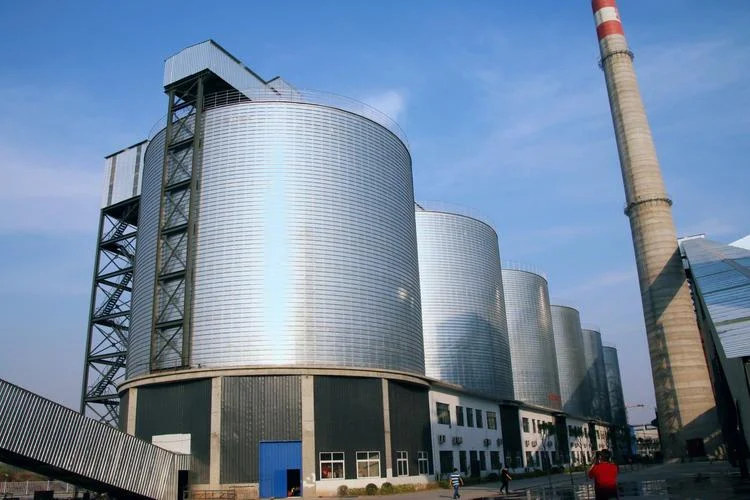


A few years ago, a coal-fired power plant in Southeast Asia called us about a problem they had been ignoring for too long. Their open stockpile was losing roughly 4% of its stored coal to rain runoff every monsoon season. That was 2,400 tonnes of coal, worth about $200,000, washing away into drainage ditches and contaminating the local water supply. On top of that, they were getting weekly complaints from the village 800 meters downwind about black dust settling on laundry and rooftops.
Their original engineers had designed the yard as a simple concrete pad with a sloped surface and a conveyor for stacking. It was cheap to build, but the operating costs had quietly eaten through any savings. After three years, the plant decided to invest in an enclosed stockyard. We were brought in to design and build it.
This article walks through exactly how we approached the design, the mistakes we avoided, and the results the plant achieved. If you are dealing with similar problems at your own facility, the lessons here should save you some painful trial and error.
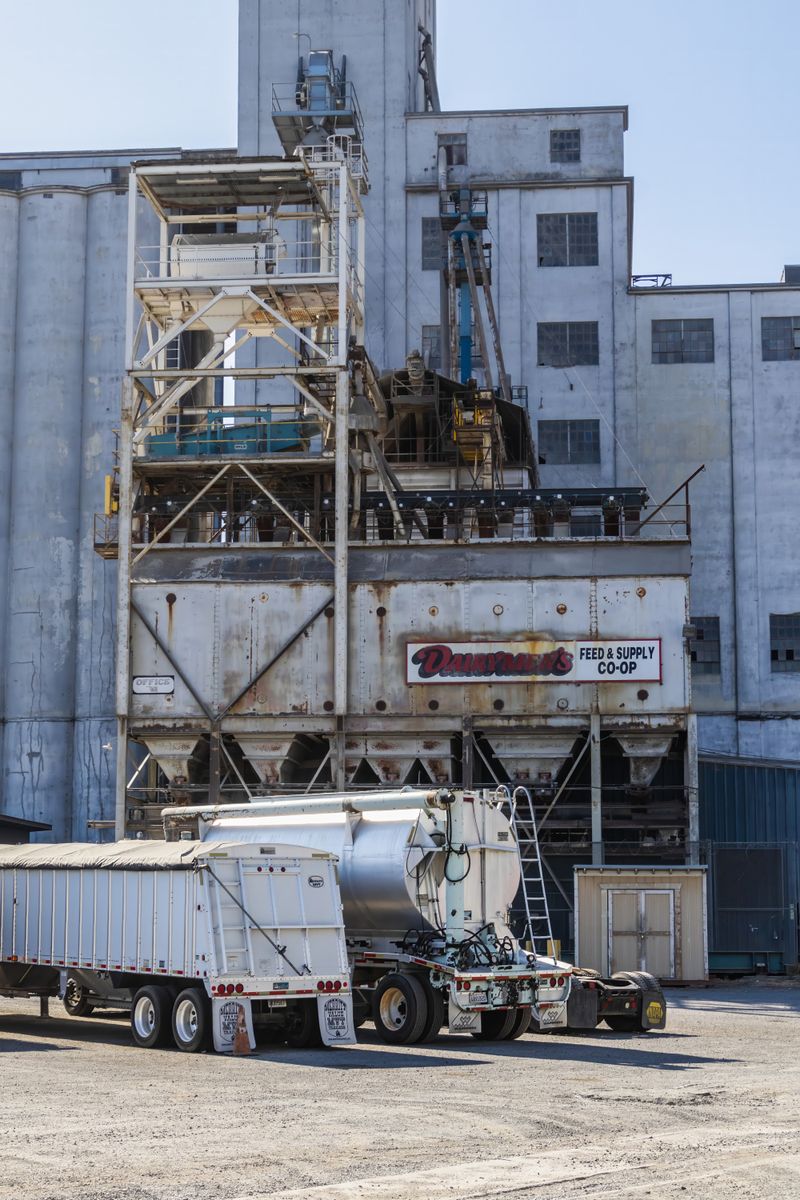
Why Open Stockyards Cost More Than You Think
Plant managers often treat open stockyards as a necessary evil. They know the dust and rain losses exist, but the capital cost of enclosing the yard seems hard to justify. The math changes when you add everything up:
Material loss: Rain runoff carries away fine particles. For coal, this can be 3-5% annually. On a 50,000-tonne stockpile, even 2% is 1,000 tonnes per year.
Dust fines: Most jurisdictions now impose fines for fugitive dust emissions. In China, the penalty for exceeding particulate limits can reach ¥100,000 per incident.
Moisture pickup: Wet coal has lower calorific value. A 5% moisture increase means your boiler burns more fuel to produce the same electricity.
Quality degradation: Repeated wetting and drying cycles cause coal to oxidize, reducing its heating value further.
Choosing Between Dome and Enclosed Stockyard Designs
| Design Type | Best For | Capacity Range | Cost per Tonne |
|---|---|---|---|
| Dome Stockyard | Large volumes, circular sites | 10,000-100,000+ tonnes | $15-30/tonne |
| Strip Stockyard with Roof | Long, narrow sites | 5,000-50,000 tonnes | $20-40/tonne |
| High-Wall Warehouse | Constrained sites | 5,000-20,000 tonnes | $25-50/tonne |
What We Got Right (and What We Almost Got Wrong)
The biggest lesson was about the reclaim system. We initially specified a bucket-wheel reclaimer, which is standard for strip stockyards. But inside a dome, the geometry is different. The bucket wheel needs a flat floor, and the curved walls create dead zones near the edges. We switched to a bridge scraper reclaimer mounted on a central column, which covers the entire circular floor area. Recovery rate went from an estimated 85% with the bucket-wheel to over 97% with the scraper.
The other thing we almost got wrong was ventilation. A dome enclosing 60,000 tonnes of coal creates methane accumulation risk. We installed a forced ventilation system with CO and methane sensors at three levels, connected to the plant DCS. If methane exceeds 1% by volume, ventilation fans ramp up automatically. At 1.5%, the system triggers inerting with nitrogen.
Results After Two Years of Operation
Coal loss: Dropped from 4% to less than 0.1% annually
Dust complaints: Zero from the neighboring village
Moisture content: Coal enters the boiler at 12-14% moisture, down from 16-18%
Boiler efficiency: Improved by 1.8% due to drier, more consistent fuel
Fine recovery: The dome collects about 200 tonnes of fine coal dust per month, recirculated into the boiler feed
The total investment was roughly $4.2 million. Based on coal savings, dust fine avoidance, and boiler efficiency gains, the payback period was 3.2 years.