
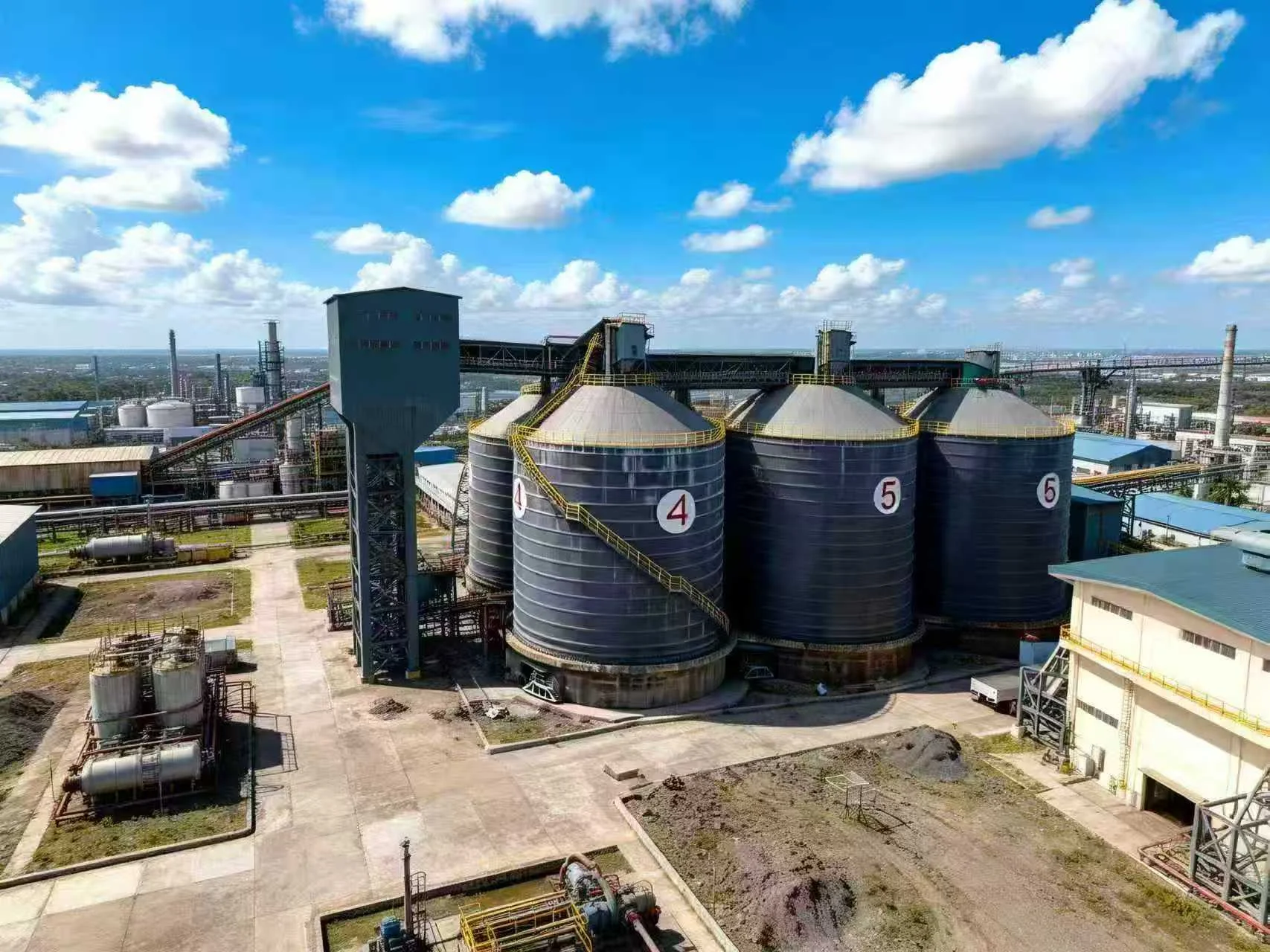
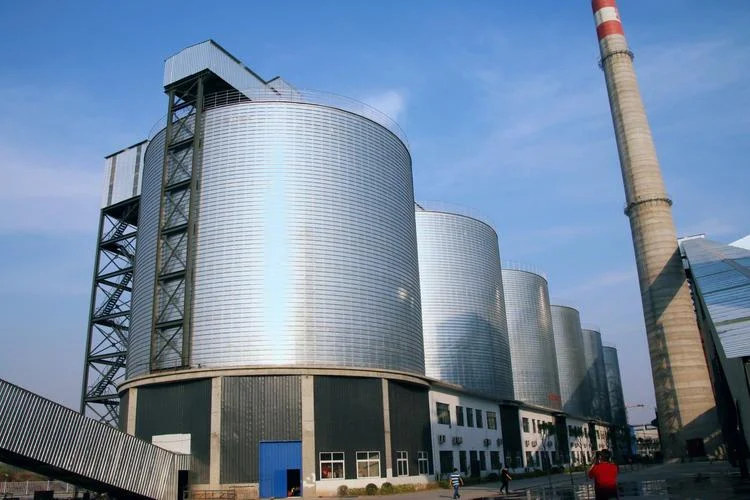


I have spent fifteen years designing fly ash storage systems for thermal power plants across Asia and the Middle East. In that time, I have seen the same mistakes repeated at facility after facility: silos sized for average ash production instead of peak, discharge systems chosen without testing the actual material, and dust collection systems that looked impressive on paper but clogged within weeks of startup.
Fly ash is not just another powder. It behaves differently from cement, lime, or grain in ways that catch engineers off guard. The particle size is finer, the abrasiveness is higher, the electrostatic charge is unpredictable, and the temperature at collection can exceed 150 degrees Celsius.
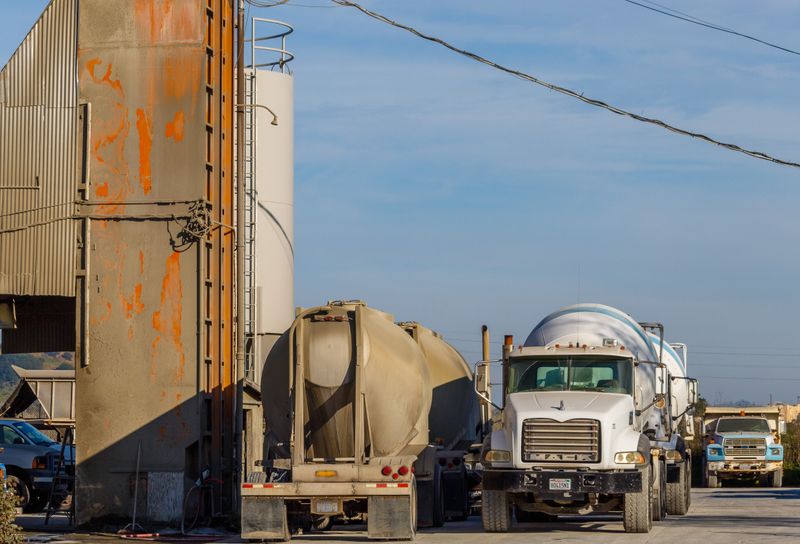
The Material Nobody Wants to Talk About
Fly ash is the most underappreciated material in bulk handling. Cement gets all the attention, grain gets food safety budgets, and coal gets fire safety focus. Fly ash sits in the middle, treated as an afterthought. Here are the three properties that matter most:
Fineness: Particles are typically 1-100 microns, with a median around 20-30 microns. Extra fines mean fly ash behaves like a fluid when aerated but packs into an impermeable cake when left undisturbed for 48+ hours.
Abrasion: Unburned carbon and hard mineral fragments score 6-7 on the Mohs scale. Standard carbon steel pipes in dilute-phase conveying wear through in 18-24 months. Basalt-lined pipes last 4-5 times longer.
Temperature: Freshly collected ash from an ESP can be 120-180 degrees Celsius. Piping it directly into a concrete silo without cooling will crack the foundation within two years.
Silo Sizing: The Mistake That Costs the Most
The most common error is sizing the silo for average daily production. Power plants do not produce fly ash at a constant rate. A 660MW plant might produce 40 tonnes per hour at full load but only 15 at minimum stable load. My rule of thumb: size the silo for 1.5 times peak 24-hour production, with a minimum buffer of 48 hours at full load.
The other sizing mistake is ignoring the fly ash classification system. Many plants now separate Class F (low-calcium) and Class C (high-calcium) ash into different silos because they cannot be mixed without affecting concrete quality. A dual-compartment silo or two separate silos with dedicated feeding systems is essential.
Discharge System Design
I have audited dozens of fly ash silos where the discharge system was nothing more than a conical hopper with an aeration pad. This works for a few months, then the pad clogs with compacted ash and the silo becomes a 3,000-tonne paperweight. The fix is a multi-layered approach:
Aeration pads on the hopper cone: Sized for fly ash permeability at 0.2 m3/min/m2 at 0.2 bar
Air cannons at the cylinder-to-cone transition: Four to six cannons firing sequentially break bridging effectively
Mechanical extraction for flat-bottom silos: Screw reclaimers for silos larger than 8m diameter
The Dust Collection Nobody Sizes Correctly
During silo filling, displaced air carries dust concentrations of 200-500 grams per cubic meter. The standard bag filter for fly ash silo venting is 1,000-2,000 m3/h with 99.9% efficiency at 1 micron. The mistake I see most often is undersizing the filter because someone used the cement silo specification as reference. Fly ash has 30-50% more fines than cement. Always specify for fly ash specifically, and budget 10-15% more filter area than the minimum calculation suggests.