
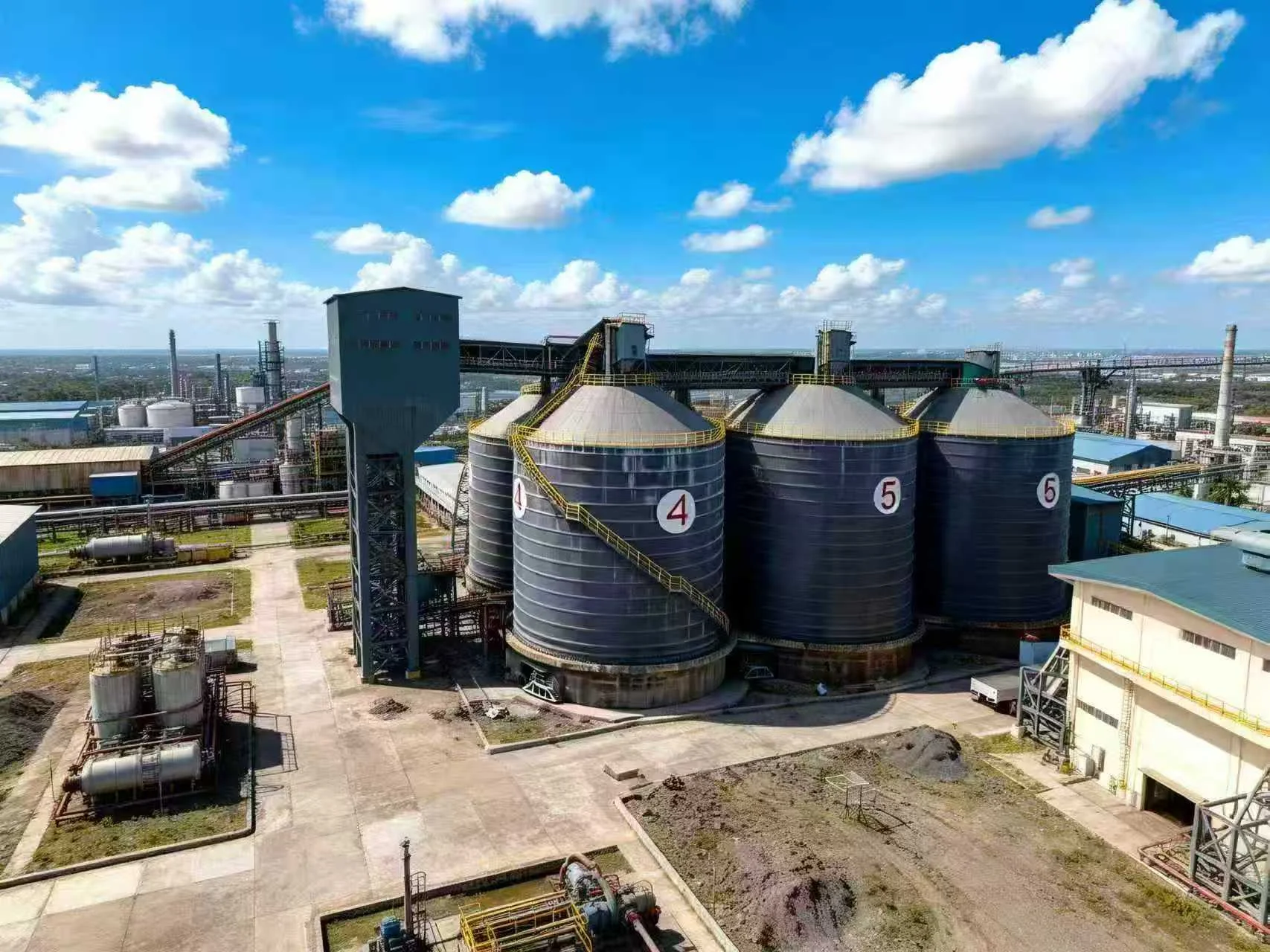
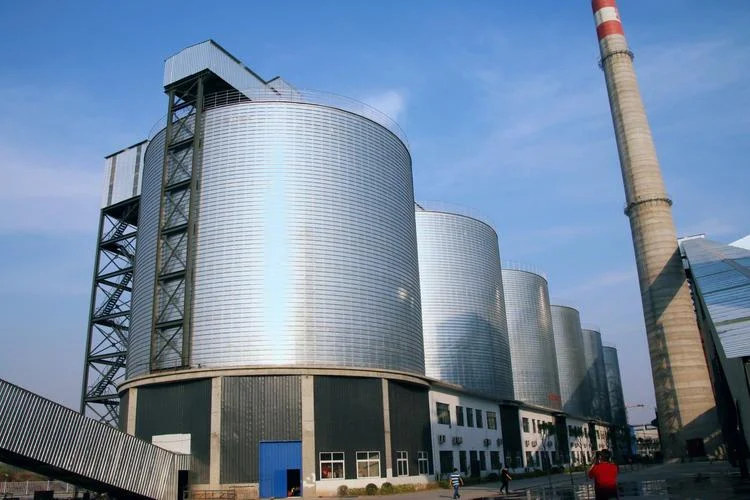


Every silo has an inlet and an outlet. The engineering challenge is connecting them to the rest of your process - conveyors, trucks, railcars, or other silos - without creating dust, spillage, segregation, or bottlenecks. A poorly designed transfer point between a silo and a belt conveyor can lose 2-5% of your material to spillage alone.
Key Takeaways
Core Data Point: Material impact at transfer points generates forces 3-5x the static load. A transfer chute designed for gentle gravity flow instead of impact absorption will destroy the receiving belt or truck bed within months.
Best Practice: Every silo-to-conveyor transfer point should include an impact bed (not just idlers), a dust curtain enclosure, and a controlled material trajectory chute that matches the belt speed and angle.
Risk Alert: Transferring material between silos of different diameters without equalizing the flow rate creates surges that overwhelm downstream equipment. Install a variable-speed feeder at every silo outlet to control the transfer rate.
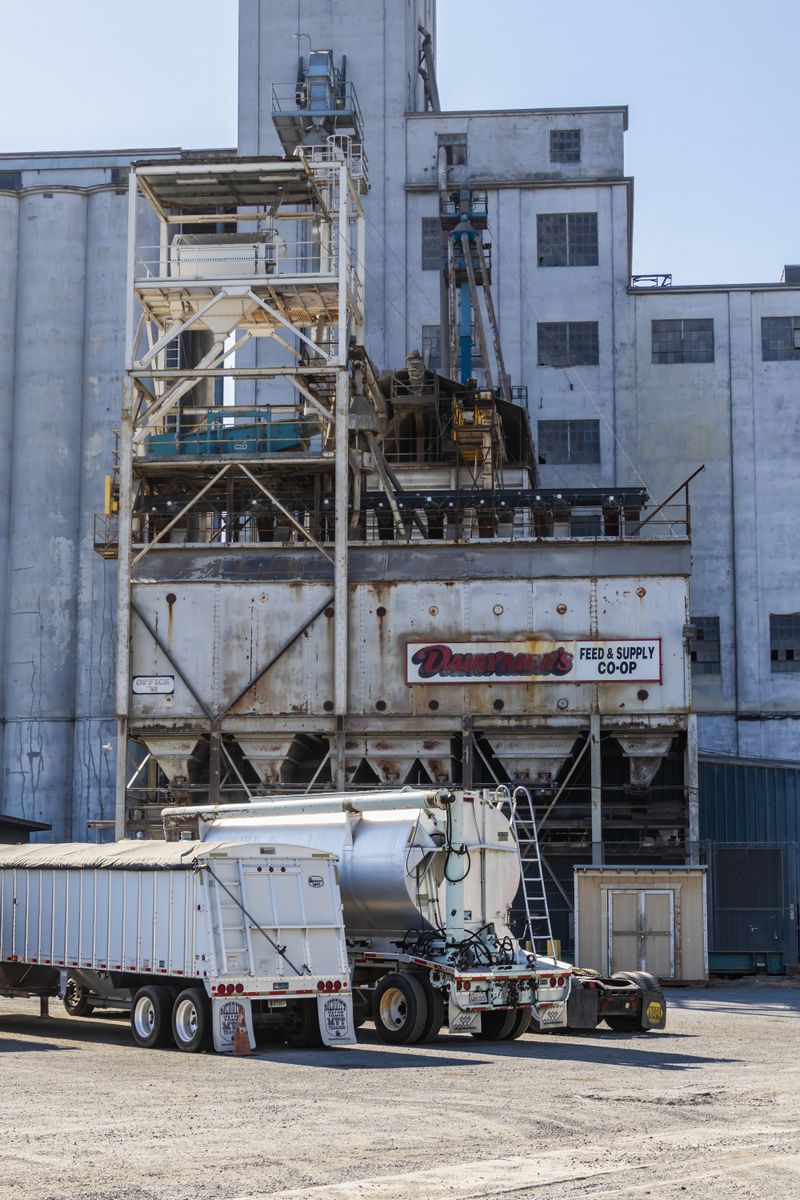
Types of Silo Transfer Systems
Silo-to-Conveyor Transfers
The most common transfer configuration. Material flows from a silo hopper onto a belt conveyor through a controlled chute. Critical design elements:
Feeder type: Belt feeder (for large silos), vibratory feeder (for medium), rotary valve (for fine powders)
Chute design: Rock-box or cascade chute to reduce material velocity and minimize belt impact
Dust control: Enclosed transfer hood with extraction point connected to bag filter
Flow control: Variable-frequency drive (VFD) on feeder for adjustable throughput
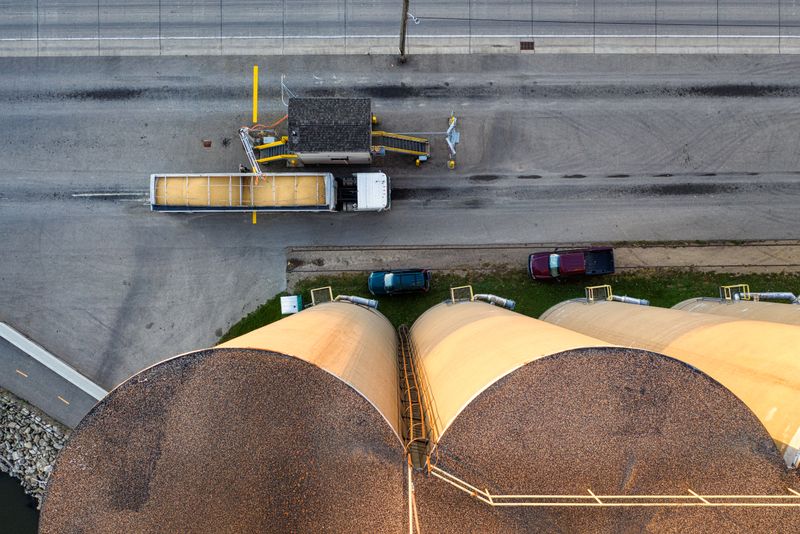
Silo-to-Truck/Rail Loading
Direct loading from silo to vehicle through a loading station. The transfer system must handle variable vehicle sizes and positions:
Loading spout: Telescopic design that extends into the truck bed, minimizing free-fall distance
Weighing: Hopper scale (pre-weigh) or flow scale (in-motion weighing) for accurate loading
Vehicle positioning: Photoelectric sensors or camera system confirming truck position
Dust suppression: Enclosed spout with extraction or intelligent spray system
Silo-to-Silo Transfers
When material needs to move between silos (for blending, grade changes, or inventory management):
Pneumatic conveying: Best for fine powders, long distances, or where no direct gravity path exists
Mechanical conveying: Belt, screw, or chain conveyor for direct, high-capacity transfers
Gravity transfer: Chute or air slide when silos are adjacent and at different elevations
Transfer Point Design Rules
Match the velocity: Material should exit the transfer chute at approximately the same speed as the receiving belt. Too fast = belt damage and dust. Too slow = material buildup in the chute.
Minimize free-fall: Every meter of free-fall generates dust and degrades the material. Use guided chutes, not open drops.
Seal the enclosure: A transfer point with gaps generates more dust than one with proper sealing. Use rubber skirting, dust curtains, and negative-pressure extraction.
Design for maintenance: Access doors on both sides of the chute, removable wear liners, and inspection hatches at critical points.
Bottom Line
Silo storage transfer systems for bulk materials are the connective tissue of your entire operation. A well-designed transfer point is invisible - material flows smoothly, dust stays contained, and equipment lasts for years. A poorly designed one is a constant source of maintenance calls, spillage cleanup, and production interruptions. Invest in proper chute engineering, dust control, and flow regulation at every transfer point, and your bulk material handling system will perform as designed.