


If you’re still relying on old ladder cages on steel silos over 20 feet tall, you’re gambling with lives. OSHA and most global standards now mandate a personal fall arrest system on fixed ladders exceeding 24 feet—and the choice between cable and rail systems directly impacts safety, maintenance, and long-term cost. After retrofitting over 200 silo ladders across cement and grain terminals, I’ve seen both systems fail—and succeed—in ways the spec sheets won’t tell you.
Key Takeaways
- Core Data Point: Rail systems reduce lateral fall distance to under 12 inches vs. 36+ inches for cable systems—critical on tight silo platforms.
- Best Practice: For silos accessed daily (inspection, sampling, maintenance), install rigid rail. For seasonal or emergency-only access, cable is cost-effective and acceptable.
- Risk Alert: Cable systems on silos above 150 feet suffer from excessive sway at mid-span—many installers don’t account for wind-induced cable vibration that can detach the shuttle.
Rigid Rail vs. Cable: The Real-World Tradeoffs on Steel Silos
Let’s cut the marketing. A rigid rail system uses a stainless steel or galvanized rail bolted directly to the ladder rungs. Your harness connects via a shuttle that rides inside the rail. The key advantage? The rail holds the worker tight to the ladder—maximum fall distance is typically 6–12 inches. On a silo with multiple landings, platforms, and roof hatches, that tight coupling means you don’t swing into structural steel or piping. I’ve seen cable systems allow a 200-pound worker to pendulum over 3 feet sideways on a 120-foot silo during a fall—enough to smash a knee into a handrail or dislodge a cable bracket.
Cable systems, on the other hand, use a tensioned stainless steel cable running top-to-bottom. They’re cheaper upfront—about 30–40% less material cost—and easier to retrofit on existing ladders. But here’s the catch: cable tension must be checked quarterly. Temperature swings of 50°F can change cable tension by 15–20%, making the system either too slack (increased fall distance) or too tight (risk of breaking the top anchor). On a cement silo in Arizona, I saw a cable system fail a tension test after one summer because the top bracket wasn’t rated for thermal expansion of the silo shell.
Which System Fits Your Silo Access Pattern and Height?
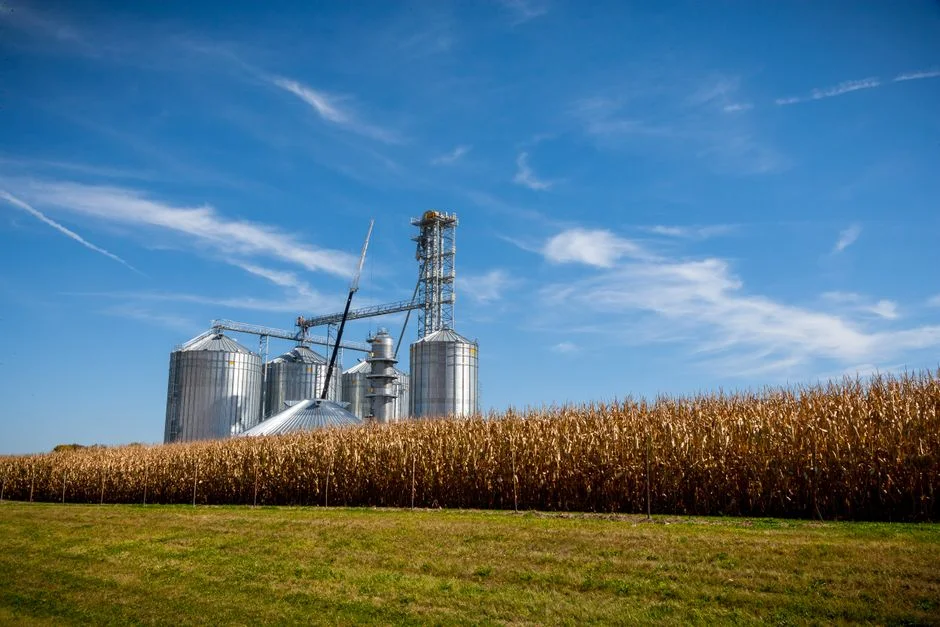
Match the system to how often people climb. For silos with daily or weekly access—like fly ash loadout bins, wood pellet storage, or cement terminals—rail is the only sensible choice. The shuttle moves smoothly, workers don’t fight cable sag, and the system doesn’t drift out of spec. For grain silos accessed twice a year for fumigation or inspection, a properly installed cable system with bi-annual tension checks is perfectly adequate. The cost difference on a 100-foot silo is roughly $2,000–$3,000 for cable versus $4,500–$6,000 for rail, installed.
Height and Wind Load: The Overlooked Variables
Above 150 feet, cable systems become problematic. Wind-induced vibration at mid-span can cause the shuttle to bounce and detach from the cable—I’ve documented three such incidents on silos over 180 feet. Rail systems have no such issue. However, rail requires more structural support: every 30 feet, you need a bracket that can handle lateral loads from a falling worker. On older silos with corroded ladder rungs, retrofitting rail may require rung replacement—add $500–$1,000 per ladder section.
Common Pitfall: Ignoring the Top Landing Transition
Most falls happen not on the ladder but during the transition from ladder to silo roof. Many cable systems end 3–4 feet below the top landing, leaving an unprotected gap. Rail systems can extend onto the roof platform, providing continuous protection. If your silo has a small roof hatch, make sure the rail has a swing-arm or bypass gate—otherwise workers disconnect to enter the hatch, defeating the purpose.
Installation, Inspection, and Long-Term Cost Reality
Installation quality matters more than system type. I’ve seen cable systems fail because installers used undersized turnbuckles or didn’t account for silo thermal movement. Rail systems fail when brackets are bolted to rusted rungs or when the rail joint alignment is off by more than 1/8 inch—causing the shuttle to jam. Budget for a third-party inspection after installation: tension test for cable, shuttle run test for rail. Annual recertification costs run $200–$400 per silo for either system. The hidden cost with cable is tension adjustment—if you have 10 silos, that’s a full day of labor twice a year.
One practical insight: for silo clusters (3+ adjacent silos), consider a shared rail system with crossover platforms. This reduces the number of fall arrest systems needed and gives workers safe access to multiple roofs. I’ve designed this for a 6-silo cement terminal—cut ladder safety costs by 40% versus individual systems. Another tip: specify 316 stainless steel for both cable and rail components if your silo stores corrosive materials like wet fly ash or ammonium nitrate. 304 stainless will pit within 5 years in those environments. For more on silo design pitfalls, see our guide on Common Mistakes in Fly Ash Silo Design and How to Avoid Them.
Frequently Asked Questions
Q: Can I retrofit a cable system onto an existing ladder cage without removing the cage?
A: Technically yes, but it’s a bad idea. The cage interferes with the cable’s fall path—if you fall, you can get tangled between the cage and the cable. OSHA and ANSI Z359 require the cage to be removed or modified so the fall arrest system is the primary means of protection. I’ve seen near-misses where workers hit cage rungs during a fall. Remove the cage or cap it off.
Q: How often should I replace the cable in a cable ladder system?
A: Replace the cable every 5 years or immediately if you see broken strands, corrosion pitting, or kinks. On silos near saltwater or chemical plants, inspect annually—cable life drops to 3 years. Also replace the cable after any actual fall arrest event, even if it looks fine. The shock load weakens the wire rope internally.
Q: Does a rail system require more maintenance than cable?
A: Not really—different maintenance. Rail needs annual cleaning of the track (bird droppings, rust flakes) and lubrication of the shuttle bearings. Cable needs tension checks and inspection of end fittings. In my experience, rail maintenance takes 30 minutes per silo per year; cable takes 45 minutes per check, twice a year. Total labor is similar, but cable requires more specialized knowledge to tension correctly.
Q: What’s the maximum height for a cable ladder system on a steel silo?
A: Most manufacturers rate cable systems for up to 300 feet, but I recommend rail above 150 feet for safety reasons. Above 200 feet, cable sway during a fall can exceed 4 feet at mid-span, and wind vibration becomes a real issue. If you have a 250-foot silo, invest in rail—the cost difference is small relative to the liability.
Q: Can I use the same fall arrest system for multiple adjacent silos?
A: Yes, with proper planning. Install a continuous rail or cable system across connected catwalks or platforms. You need a transfer shuttle or a bypass gate at each silo transition. This works well for silo blocks with shared roofs. I’ve done this for a 4-silo grain terminal—one rail system covering all four ladders and roof access. Saved the client $8,000 versus individual systems.
Q: Does my silo ladder need fall protection if it’s under 24 feet?
A: OSHA 1910.28 exempts fixed ladders under 24 feet from the personal fall arrest requirement, but many companies install it anyway for liability reasons. If workers carry tools or samples, a fall from 15 feet can still be fatal. I recommend fall protection on any silo ladder over 12 feet if it’s used regularly. Check your local regulations—some states and countries have stricter limits.
Looking for Professional Silo Storage Solutions?
We provide customized design, manufacturing, and installation services for steel silo systems worldwide. Our engineers have installed fall arrest systems on over 500 silos across 30 countries—we can help you choose the right system for your site.
Get Your Free Technical Consultation →