


Budgeting for a silo project without understanding the cost drivers is like ordering a custom machine without asking the price per ton. The reality is that total installed costs typically run 1.5 to 2.5 times the material cost of the silo shell alone, and most buyers underestimate site preparation and foundation work by at least 30%.
Key Takeaways
- Core Data Point: Foundation and site prep account for 15–25% of total project cost, and installation labor adds another 10–20% depending on access and complexity.
- Best Practice: Always get a turnkey quote that includes foundation design, erection, and commissioning — not just the silo shell price.
- Risk Alert: Local soil conditions and wind/snow loads can double foundation costs if not assessed during the budgeting phase.
Silo Construction Cost Drivers: Capacity, Material, and Method
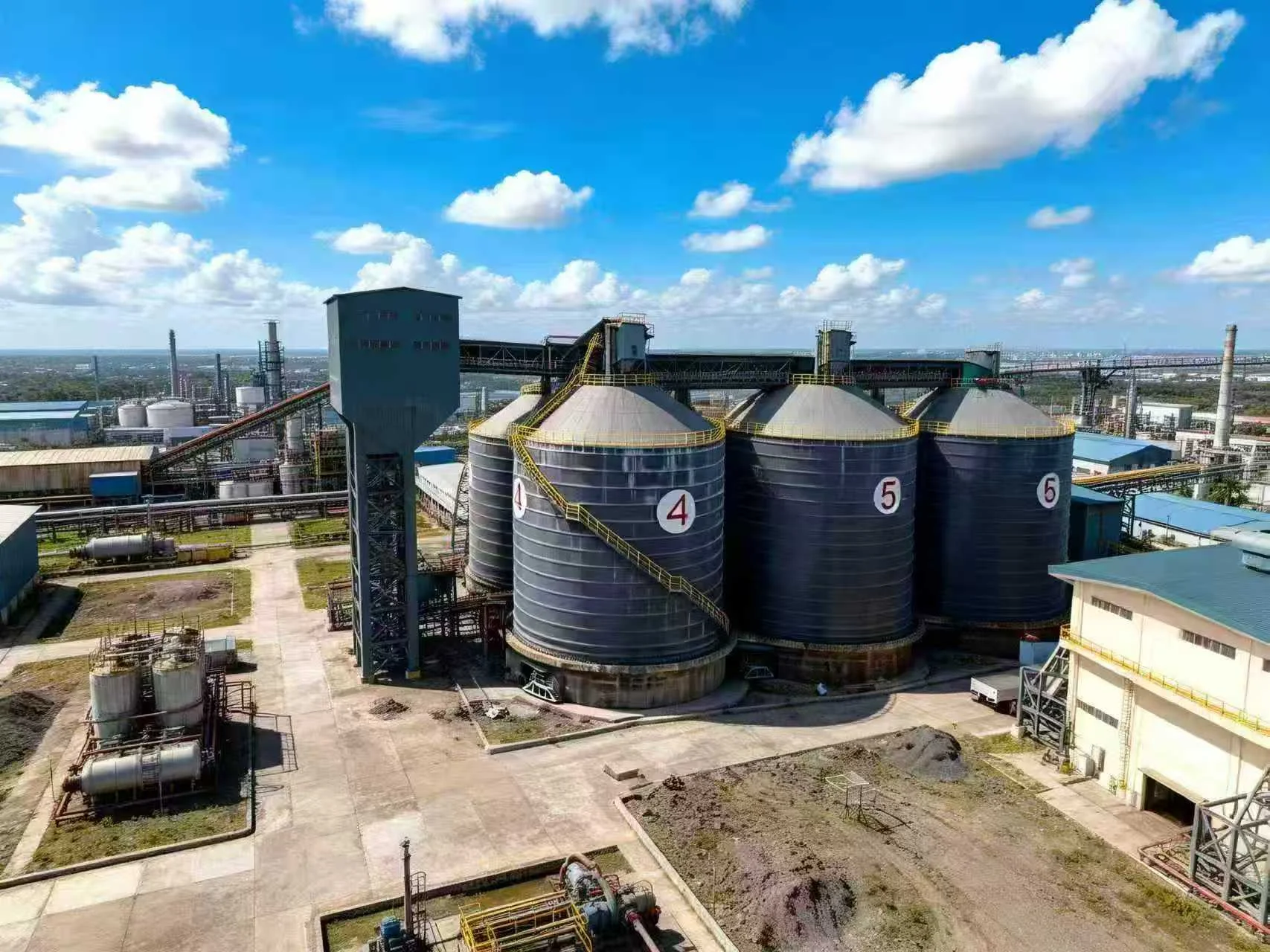
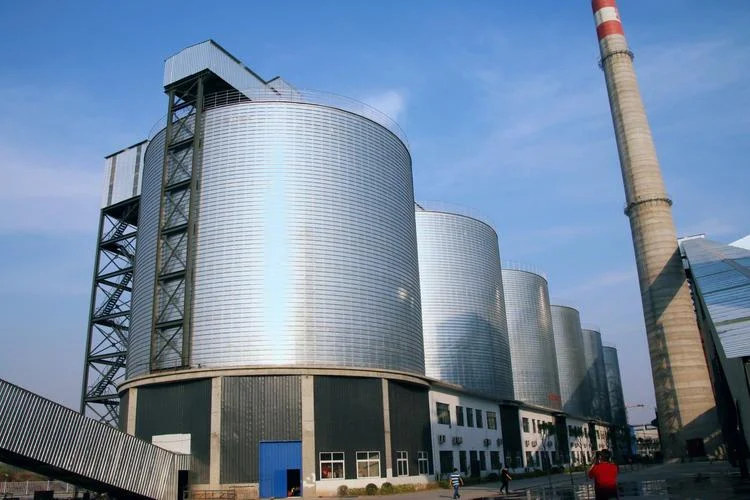
Let’s cut through the noise. The single biggest factor in silo construction cost is capacity — measured in cubic meters or tons of stored material. A 500-ton grain silo might cost $40,000–$80,000 for the steel shell, but a 5,000-ton unit jumps to $300,000–$600,000 before installation. That’s not linear scaling; it’s exponential because wall thickness increases, stiffeners multiply, and foundation loads become more demanding. The material choice — galvanized steel, stainless steel, or epoxy-coated carbon steel — directly impacts per-ton cost by 15–40%. Galvanized is the workhorse for grain and feed; stainless is mandatory for corrosive materials like salt or certain chemicals; coated carbon steel sits in between for cement and fly ash applications.
Construction method is another heavy hitter. Bolted silos are the cheapest and fastest to erect, but they require precise bolt torqueing and sealing. Welded silos offer better airtightness and structural integrity for high-pressure applications, but field welding adds 20–30% to labor costs and extends the schedule by weeks. Jumpform or slipform concrete silos are a different beast entirely — they’re reserved for massive capacities (10,000+ tons) where steel becomes uneconomical. A professional manufacturer will help you match method to material and budget, but don’t expect concrete to be cheaper: the formwork and curing time alone can push costs past steel for anything under 5,000 tons.
Hidden Budget Busters: Foundation, Accessories, and Logistics
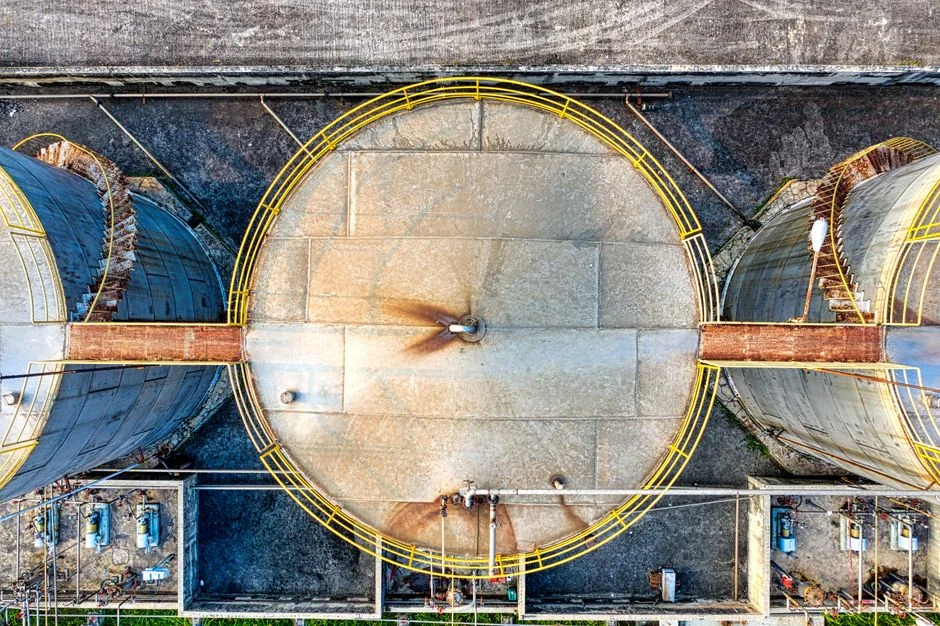
Here’s where most project budgets get blown. Foundation costs depend entirely on soil bearing capacity — a site with good compacted sand might need only a reinforced concrete ring foundation costing $15,000–$30,000 for a medium silo, while poor clay soil could require deep piles at $50,000–$100,000. Don’t skip a geotechnical survey; it’s the cheapest insurance you can buy. Accessories add up fast: aeration systems ($5,000–$20,000), temperature monitoring cables ($3,000–$15,000), level indicators, dust collection, and safety ladders with cages can collectively add 25–40% to the silo shell cost. If you need automated loading/unloading with conveyors and bucket elevators, expect that to double the total project cost.
Selection criteria for cost-effective accessories
Prioritize accessories that protect your stored material and comply with local safety regulations. Aeration is non-negotiable for grains above 12% moisture — without it, you risk spoilage that costs far more than the fans and ducts. Temperature monitoring is cheap insurance for any organic material. Skip cosmetic upgrades like custom paint colors unless required by local codes; they add cost with zero functional benefit.
Common pitfall: underestimating logistics and customs
If you’re importing silos, factor in shipping container costs ($2,000–$8,000 per 40-foot container depending on route), port handling, inland trucking, and customs duties that can range from 5% to 25% of the equipment value. A professional manufacturer should provide a detailed freight and customs estimate upfront. Don’t assume the quoted FOB price is your total equipment cost — it’s not.
Budgeting for Installation, Commissioning, and Long-Term Value
Installation labor is the second-largest line item after the silo itself. For bolted silos, a three-person crew can erect a 500-ton unit in 5–7 days at $3,000–$5,000 per day in labor. Welded silos require certified welders and take 10–14 days, pushing labor costs to $6,000–$10,000 per day. Add crane rental ($1,500–$4,000 per day) and you’re looking at $25,000–$70,000 for installation alone. Commissioning — testing aeration, conveyors, and safety systems — typically adds 3–5% to the project cost but is critical for warranty validation. A professional manufacturer should provide a detailed installation manual and on-site supervision for an additional fee, usually 5–10% of the equipment cost. Don’t skip this; improper erection voids warranties and creates safety hazards.
Long-term value comes from choosing a silo system that matches your material handling needs. For example, a steel silo optimized for bulk material logistics will have a higher upfront cost but lower operating expenses due to reduced maintenance and faster loading cycles. Similarly, proper process design requirements ensure that your silo integrates seamlessly with existing equipment, avoiding costly retrofits. When budgeting, always include a 10–15% contingency for unexpected site conditions or scope changes. It’s not pessimistic; it’s realistic based on thousands of projects worldwide.
Frequently Asked Questions
Q: What is the typical cost range for a 1,000-ton grain silo project?
A: For a bolted galvanized steel silo with basic aeration and level indicators, expect $80,000–$150,000 for the equipment and installation. Add $20,000–$40,000 for foundation work depending on soil conditions. Total project cost typically lands between $100,000 and $200,000. Welded silos or those with automated loading systems can push this to $250,000 or more.
Q: How much does site preparation and foundation work add to the total cost?
A: Foundation costs typically represent 15–25% of the total project cost. For a $150,000 silo, that’s $22,500–$37,500. Poor soil conditions requiring deep piling can double that figure. Always budget for a geotechnical survey ($2,000–$5,000) before finalizing your budget — it’s a fraction of potential overruns.
Q: Are bolted silos significantly cheaper than welded silos?
A: Yes, bolted silos are typically 10–20% cheaper in total installed cost for the same capacity. The savings come from faster erection (less crane time) and no need for certified field welders. However, welded silos offer better airtightness and are preferred for applications requiring gas purging or fumigation. Choose based on your material and operational needs, not just upfront cost.
Q: What are the most commonly overlooked costs in silo projects?
A: Three items: (1) access roads and crane pads for installation — if your site is muddy or tight, you’ll pay for gravel and grading; (2) electrical wiring and control panels, which can add $10,000–$30,000; (3) permits and engineering stamps required by local building codes. These collectively add 10–20% to the budget and are often excluded from initial quotes.
Q: How can I reduce silo construction costs without compromising quality?
A: Standardize on common diameters and heights to avoid custom engineering fees. Use bolted construction where possible. Bundle multiple silos in a single order to get volume discounts on accessories and shipping. Choose a professional manufacturer that offers in-house foundation design and installation supervision — this avoids costly coordination delays. Never cut corners on safety equipment like dust collection or level indicators; the regulatory fines alone will exceed the savings.
Q: Is it cheaper to build a concrete silo or a steel silo for large capacities?
A: For capacities above 10,000 tons, concrete silos can be cost-competitive with steel, especially if you have local concrete suppliers and experienced slipform contractors. However, concrete silos take 3–6 months to construct versus 2–4 weeks for steel, and they have higher maintenance costs for crack repair. For most industrial applications under 10,000 tons, steel is the clear winner in both cost and schedule. See our structural load analysis guide for more on steel silo safety and performance.
Looking for Professional Silo Storage Solutions?
We provide customized design, manufacturing, and installation services for steel silo systems worldwide. Our team can help you budget accurately and avoid costly surprises.
Get Your Free Technical Consultation →