
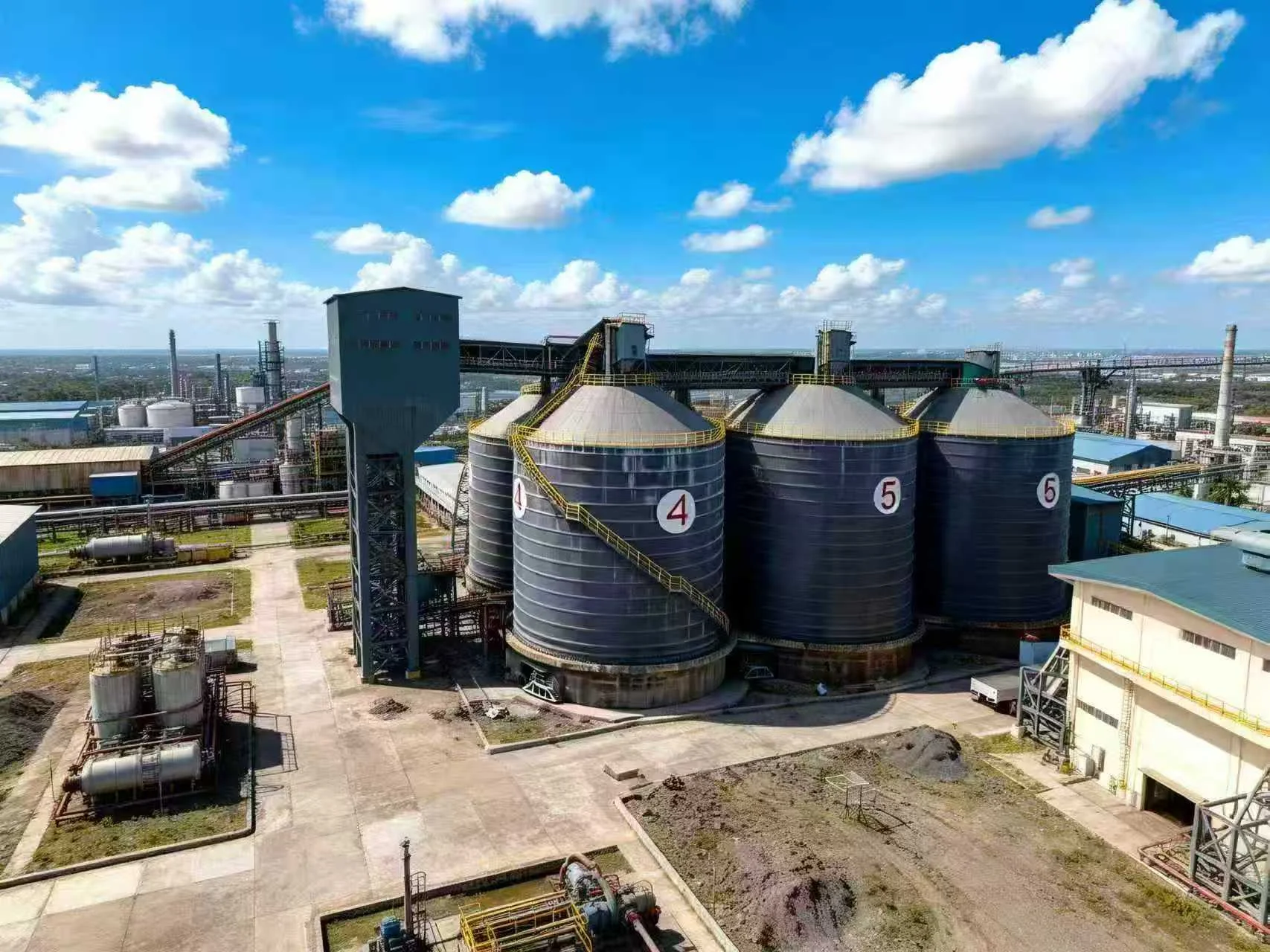
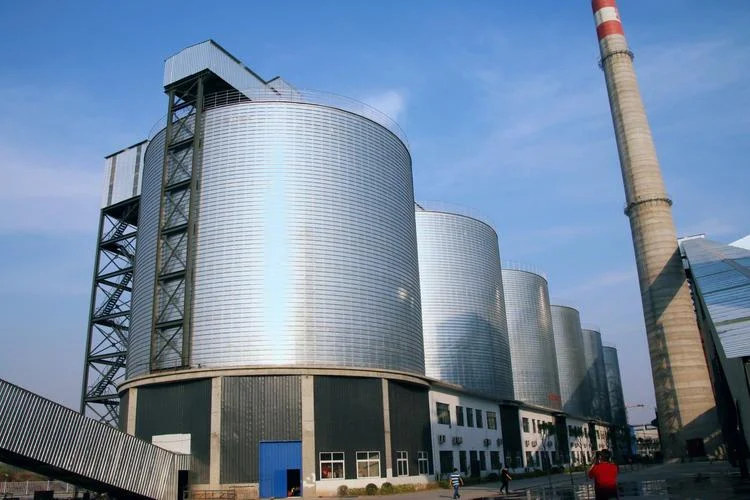


For decades, grain storage infrastructure was designed around historical climate norms—static temperature ranges, predictable precipitation patterns, and stable ground conditions. But with global average temperatures rising 1.1°C since pre-industrial levels and extreme weather events increasing 400% in frequency over the last 50 years, the engineering assumptions underpinning silo planning are no longer reliable. This article examines how shifting climate baselines demand a fundamental rethink of steel silo design, site selection, and operational protocols.
Reevaluating Steel Silo Structural Loads Under Extreme Weather
The most immediate impact of climate change on grain storage is the intensification of wind and snow loads. Historical wind speed data, often based on 50-year return periods, is becoming obsolete. We are now seeing localized wind gusts exceeding 160 km/h in regions previously considered low-risk—a 25-30% increase over design standards from the 1990s. For a 20-meter-diameter spiral steel silo, this translates to an additional 15-20 kN/m² of lateral pressure on the wall structure. Engineers must now factor in dynamic wind effects, not just static loads, and consider spiral steel silos as structures that can flex under extreme gusts rather than resist them rigidly. The connection between the silo roof and sidewall is particularly vulnerable; we recommend upgrading bolted connections to high-strength grade 8.8 fasteners and increasing roof sheet thickness from 1.5mm to 2.0mm in cyclone-prone zones.
Snow load calculations are equally problematic. Warmer winters mean heavier, wetter snow—density can reach 400 kg/m³ compared to 150 kg/m³ for dry powder snow. A single heavy snowfall event can deposit 1.5 meters of wet snow on a 30-meter-diameter silo roof, creating a concentrated load of over 1,000 tonnes. This is not a theoretical risk; in 2021, a major grain terminal in the Pacific Northwest experienced roof collapse precisely because the design snow load was based on dry, cold conditions. The solution involves increasing roof pitch to a minimum of 30 degrees and installing heated roof panels or snow-melting cables in high-risk areas.
Foundation Design for Thawing Permafrost and Changing Soil Conditions
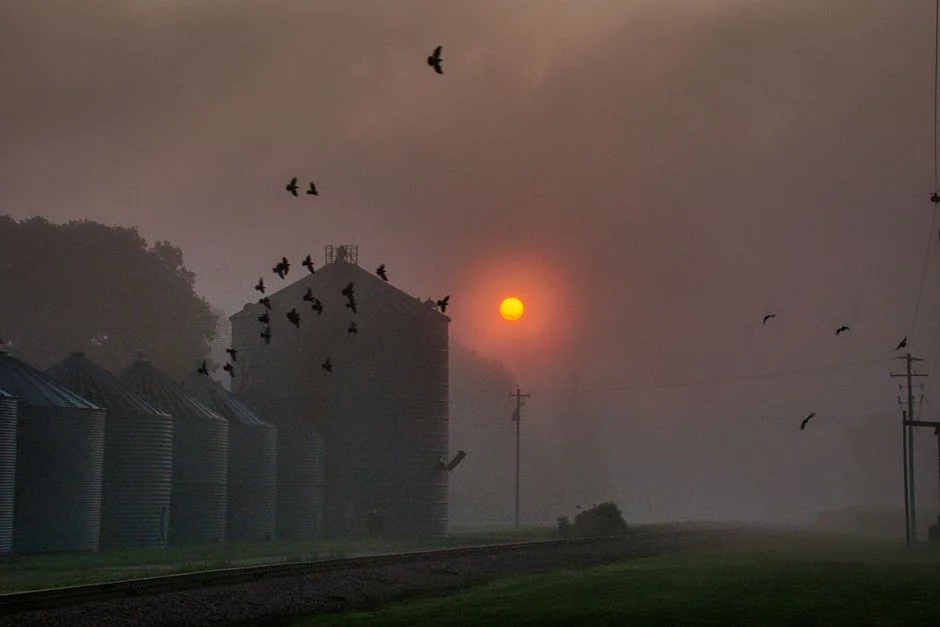
Perhaps the most insidious threat to silo infrastructure lies underground. In northern grain-producing regions—Canada, Russia, Scandinavia—permafrost thaw is causing differential settlement that can crack concrete foundations and distort steel silo rings. A 10,000-tonne steel silo exerts approximately 150 kPa of bearing pressure on the soil. When permafrost thaws, the soil's load-bearing capacity can drop by 60-80% within a single season. We have observed cases where a silo settled 200mm on one side over three years, causing the discharge cone to misalign with the central hopper by 15mm—enough to jam the unloading auger permanently.
Adaptive Foundation Strategies
For new installations in vulnerable zones, we now specify deep pile foundations extending 8-12 meters below the active layer (the seasonal freeze-thaw zone). Thermal siphons—passive heat-exchange devices—can be embedded in the foundation to maintain frozen ground temperatures year-round. An experienced engineering team will also install tilt-monitoring sensors at four cardinal points on the silo skirt, with real-time alerts if settlement exceeds 5mm in any direction.
Retrofitting Existing Sites
For existing silos showing early signs of differential settlement, grout injection can stabilize the soil under the foundation. However, this is a temporary fix. The only permanent solution is to transfer the load to deeper, stable strata using helical piers—a process that requires emptying the silo completely and working from the inside out. This is expensive, often costing 15-20% of the original silo installation, but it prevents catastrophic failure.
Key Takeaways
- Core Data Point: Extreme weather events have increased 400% in frequency over the last 50 years, making historical design standards obsolete.
- Best Practice: Specify dynamic wind load analysis and wet snow load calculations (minimum 400 kg/m³ density) for all new silo designs in temperate and northern climates.
- Risk Alert: Differential settlement from permafrost thaw can exceed 200mm within three years, causing structural misalignment that compromises discharge systems.
Operational Adaptations: Aeration, Temperature Monitoring, and Energy Efficiency
Climate change isn't just about structural integrity—it fundamentally alters the biological dynamics inside the silo. Warmer ambient temperatures mean grain entering the silo at 30°C instead of 20°C, which accelerates insect reproduction cycles by 40% and increases the risk of hot spots. Aeration systems must be redesigned for higher airflow rates—we now recommend 0.15 m³/min per tonne of grain as a baseline, up from the traditional 0.10 m³/min. This requires larger fans and more ductwork, but it is essential for maintaining grain temperature below 15°C during storage. For facilities handling materials like cement or fly ash, temperature control is less about biology and more about preventing moisture condensation. Warmer, more humid air entering a cooler silo can cause bridging and caking. This is where a properly designed cement silo aeration system becomes critical, using dry air injection to maintain uniform moisture content.
Energy consumption is another pressing concern. As ambient temperatures rise, the cooling load for aeration fans increases by 15-25% per decade. Photovoltaic panels on silo roofs can offset some of this demand, but the structural loading of solar arrays must be factored into the original design—not added as an afterthought. We are also seeing a shift toward variable-frequency drives (VFDs) on aeration fans, which can reduce energy consumption by 30% while providing precise airflow control. For logistics operations, integrating silo monitoring systems with steel silo bulk material handling logistics allows for dynamic scheduling of deliveries based on real-time temperature and moisture data, reducing the risk of spoilage during transport.
Frequently Asked Questions
Q: How do I determine the correct wind load for a silo when local building codes haven't been updated for climate change?
A: Relying solely on outdated local codes is a liability. Instead, use the latest ASCE 7-22 or Eurocode 1 standards, which incorporate climate projection models. For critical installations, commission a wind tunnel test or computational fluid dynamics (CFD) analysis specific to your site's topography. A professional silo manufacturer can provide a design wind speed guarantee based on a 100-year return period, adjusted for a 20% climate uncertainty factor. Always document your design assumptions in the project specification to protect against future liability.
Q: Can existing silos be retrofitted to handle increased snow loads, or is replacement the only option?
A: Retrofitting is possible but requires a structural audit. The critical weak points are the roof-to-wall connection and the column supports under the roof. For bolted connections, we can install gusset plates and increase bolt diameter from M16 to M20. For the roof itself, adding internal truss supports can increase load capacity by 30-40%. However, if the silo walls show signs of buckling or the foundation has settled, replacement is the safer and more cost-effective option. A detailed finite element analysis (FEA) will reveal the true structural margin. For cement or fly ash silos with existing aeration issues, check our guide on cement silo installation errors to identify retrofitting opportunities.
Planning a Climate-Resilient Silo Installation?
We provide customized design, manufacturing, and installation services for steel silo systems worldwide, incorporating the latest climate adaptation engineering.
Get Your Free Technical Consultation →